
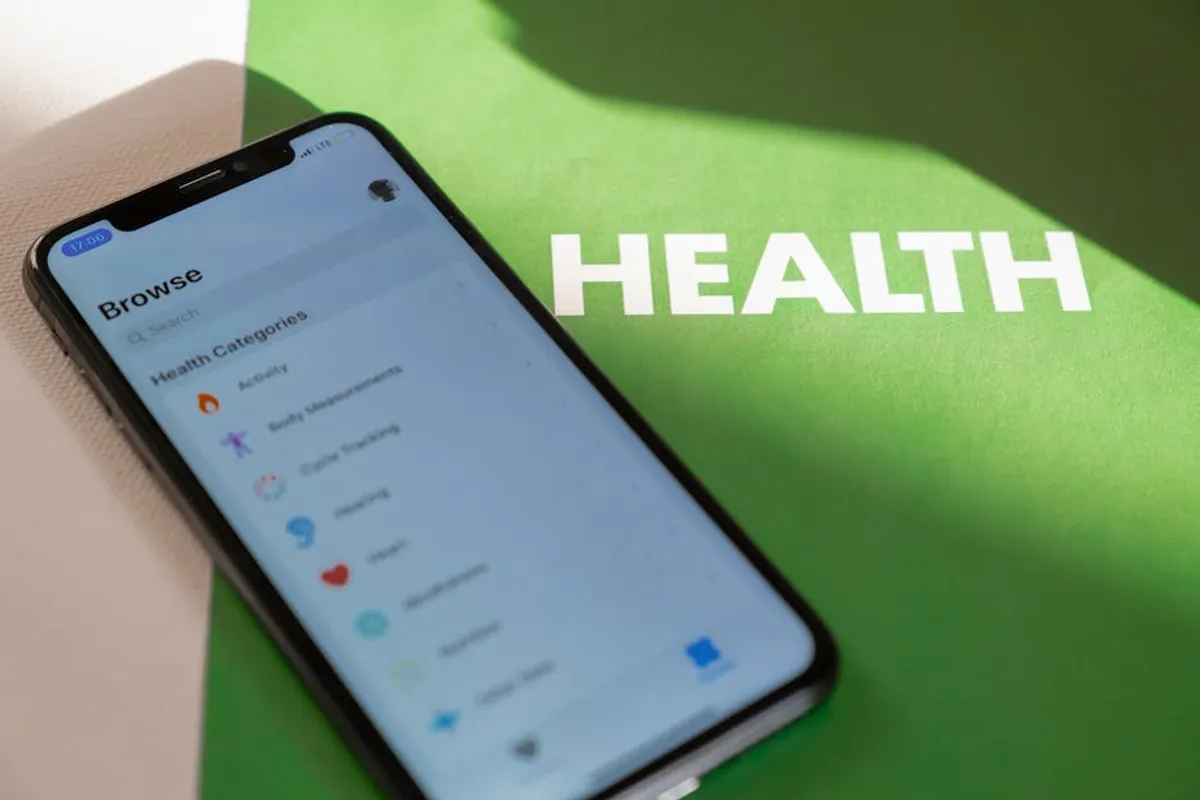
The landscape of personal wellness has expanded significantly, moving beyond traditional fitness routines to encompass mental health, nutrition, sleep quality, and overall lifestyle balance. For many, integrating these diverse aspects into a cohesive personal strategy relies on digital tools. Wellness tracking apps offer a structured approach to monitoring progress, identifying patterns, and fostering healthier habits across multiple dimensions of well-being. However, the sheer volume of available applications means that selecting the right tool demands careful consideration of individual needs, feature sets, data privacy practices, and potential long-term engagement costs. This guide evaluates leading wellness tracking apps, detailing their core functionalities, target users, and specific advantages and limitations, to help you make an informed decision for yourself or your audience.
Key Considerations for Choosing a Wellness Tracking App
Selecting an effective wellness tracking app involves more than just browsing app store ratings. A strategic approach considers several factors that dictate an app's utility and long-term value. First, assess the app's core focus: does it specialize in fitness, nutrition, sleep, mental health, or offer a holistic approach? An app excelling in one domain may be superficial in others. Second, evaluate data integration capabilities. Seamless synchronization with wearables (like smartwatches or fitness trackers) and other health platforms (such as Apple Health or Google Fit) ensures a comprehensive data overview without manual entry. Third, scrutinize data privacy policies; understand how your personal health information is collected, stored, and potentially shared. Fourth, consider the user interface and experience. An intuitive, visually appealing design promotes consistent use, while a cluttered or complex interface can lead to abandonment. Fifth, factor in the cost structure—many apps offer a freemium model, where essential features are free but advanced functionalities or an ad-free experience require a subscription. Finally, look for evidence-based approaches or content developed by qualified professionals, particularly for mental health or nutrition guidance, to ensure credibility and efficacy.
1. Calm
Calm positions itself as a leader in mental wellness, offering a comprehensive suite of guided meditations, sleep stories, breathing programs, and soothing soundscapes. Its primary objective is to reduce stress, improve sleep quality, and cultivate mindfulness through structured audio content. The app features diverse meditation topics, ranging from anxiety management to personal growth, and includes exclusive 'Sleep Stories' narrated by well-known voices to aid relaxation before bed.
Best For: Individuals seeking guided meditation, sleep aids, and tools for stress reduction, particularly those new to mindfulness practices or struggling with sleep. It caters well to users prioritizing mental and emotional well-being over physical activity tracking.
Pros: Extensive library of high-quality guided meditations for various purposes; diverse 'Sleep Stories' with engaging narrators; mood tracking features for self-reflection; integration with major health platforms; offers free introductory content and daily meditations.
Cons: Premium features, including the full content library, require a significant annual subscription; some users may find the content repetitive over long periods; less emphasis on physical activity or nutrition tracking.
Verdict: Calm is a robust choice for cultivating mental tranquility and improving sleep hygiene, offering high-quality audio content and a user-friendly interface, though its full utility is gated behind a premium subscription.
2. Headspace
Headspace offers guided meditation and mindfulness training designed to improve focus, reduce stress, and enhance overall well-being. It employs a structured, progressive curriculum, starting with foundational courses and advancing to more specialized topics like managing anxiety, improving sleep, or boosting performance. The app's signature animated content and accessible language make complex mindfulness concepts approachable for beginners.
Best For: Users looking for a structured, progressive path to learning meditation and mindfulness, from beginners to intermediate practitioners. It's particularly effective for those who appreciate clear instruction and a playful, engaging interface.
Pros: Structured learning paths make meditation accessible; engaging animations and clear guidance; specialized courses for various needs (sleep, stress, focus); 'SOS' meditations for immediate relief; integration with health platforms.
Cons: Full access requires a premium subscription; some users may prefer a more spontaneous or less structured meditation experience; limited features beyond meditation and mindfulness exercises.
Verdict: Headspace excels at demystifying meditation and building consistent mindfulness habits through its well-designed, progressive curriculum, making it an excellent entry point for mental wellness. Its subscription cost is a factor for full engagement.
3. MyFitnessPal
MyFitnessPal is a comprehensive nutrition and calorie tracking application that also integrates activity logging. Its core strength lies in its extensive food database, allowing users to log meals by scanning barcodes, searching a vast library of items, or creating custom entries. The app provides detailed macronutrient breakdowns and helps users stay within caloric goals, making it a foundational tool for weight management and dietary awareness.
Best For: Individuals focused on weight management (loss, gain, or maintenance), calorie counting, macronutrient tracking, and gaining a detailed understanding of their dietary intake. It also suits those who want to log exercise and integrate with fitness trackers.
Pros: Enormous food database, including restaurant items and user-contributed entries; barcode scanner simplifies food logging; customizable nutrient goals; community support features; integrates with numerous fitness apps and devices.
Cons: Free version contains ads; some advanced features (e.g., specific macronutrient goals, ad-free experience) are behind a premium paywall; accuracy of user-submitted food entries can vary; requires consistent manual logging for best results.
Verdict: MyFitnessPal remains a powerful, industry-standard tool for precise dietary tracking and weight management, offering unparalleled database depth, though its best features are reserved for premium subscribers and require diligent user input.
4. Strava
Strava functions as a social network for athletes, primarily focusing on tracking and sharing running, cycling, and swimming activities. It leverages GPS data to record routes, distances, pace, elevation, and other performance metrics. Beyond personal tracking, Strava's unique appeal lies in its community features, allowing users to follow friends, join clubs, and compete on leaderboards for specific segments of routes, fostering motivation through friendly competition.
Best For: Runners, cyclists, and other endurance athletes who want detailed performance analytics, route planning, and a strong social component to share achievements and connect with a like-minded community.
Pros: Robust GPS tracking and performance metrics; social feed for sharing activities and engaging with friends; segment leaderboards add a competitive element; extensive third-party device integration (GPS watches, bike computers); route planning features.
Cons: Many advanced analytics and safety features (e.g., Beacon live tracking) are locked behind a subscription; primarily focused on outdoor endurance activities, less comprehensive for gym workouts or other wellness aspects; privacy concerns regarding shared routes and personal data.
Verdict: Strava is indispensable for competitive and social athletes, offering deep performance insights and a motivating community, but its premium features significantly enhance the experience, and users should manage privacy settings carefully.
5. Sleep Cycle
Sleep Cycle is an intelligent alarm clock and sleep tracker designed to analyze sleep patterns and wake users during their lightest sleep phase. It uses sound analysis (via the phone's microphone) or accelerometer data to detect sleep states without requiring a wearable. The app provides detailed sleep statistics, including sleep quality, time in bed, and sleep regularity, helping users understand and improve their nocturnal habits.
Best For: Individuals focused on improving sleep quality, understanding their sleep patterns, and waking up feeling more refreshed. It's particularly useful for those without a dedicated sleep-tracking wearable but who want data-driven insights.
Pros: Smart alarm wakes you in light sleep for a gentler awakening; detailed sleep analysis and statistics (sleep quality, regularity); no wearable required, uses phone's microphone or accelerometer; tracks sleep trends over time; integrates with Apple Health.
Cons: Microphone-based tracking can be affected by ambient noise; accuracy can vary depending on phone placement; some advanced features (e.g., sleep aid sounds, long-term trends) require a premium subscription; drains phone battery if not charged overnight.
Verdict: Sleep Cycle offers a convenient and insightful way to monitor and enhance sleep quality through its smart alarm and detailed analysis, making it a strong option for non-wearable sleep tracking, though the premium version unlocks its full potential.
6. Flo
Flo is a women's health app that provides period tracking, ovulation prediction, and pregnancy tracking. It uses AI to analyze logged symptoms, moods, and activities to offer personalized insights into menstrual cycles, fertility windows, and overall health. Beyond basic tracking, Flo includes a knowledge base with articles on women's health, a secret chat for community support, and a comprehensive pregnancy mode.
Best For: Women seeking to track their menstrual cycles, predict ovulation for fertility planning, monitor pregnancy progress, or understand how their cycle impacts mood and physical symptoms. It's a comprehensive tool for reproductive health management.
Pros: Highly accurate period and ovulation predictions; extensive symptom and mood logging; AI-powered health insights; comprehensive pregnancy tracking mode; large knowledge base and community support; user-friendly interface.
Cons: Some advanced features and personalized health insights are exclusive to the premium subscription; requires consistent data input for optimal accuracy; past data privacy concerns have been raised, though the company states improvements have been made.
Verdict: Flo is a powerful and versatile app for women's health, offering detailed cycle tracking and personalized insights across various life stages, making it a valuable resource despite its premium features and past privacy scrutiny.
7. Apple Health / Google Fit
Apple Health and Google Fit serve as central repositories for health and fitness data across their respective operating systems. They aggregate information from various third-party apps and connected devices (wearables, smart scales) into a unified dashboard. While not primary tracking apps themselves, they provide a holistic view of activity, sleep, nutrition, and other health metrics, often with basic goal setting and trend analysis capabilities.
Best For: Users deeply integrated into the Apple or Android ecosystem who want a centralized hub for all their health data. They are ideal for aggregating information from multiple sources and gaining an overarching view of wellness without committing to a single app's ecosystem.
Pros: Centralized data hub for diverse health metrics; seamless integration with native devices and many third-party apps; privacy-focused data management; offers basic activity tracking (steps, distance) without additional apps; free to use.
Cons: Limited in-depth analysis or specialized features compared to dedicated tracking apps; requires other apps or devices to populate most data; Apple Health is exclusive to iOS, Google Fit to Android (though cross-platform data sharing is possible with some apps); user interface can feel utilitarian.
Verdict: These platforms are essential for ecosystem-level health data aggregation, providing a convenient, privacy-conscious overview of wellness, though users will still need specialized apps for detailed tracking and advanced insights.
8. Peloton App
The Peloton App brings thousands of live and on-demand fitness classes to users, covering a wide range of disciplines including cycling, running, strength training, yoga, meditation, and stretching. While initially associated with Peloton's hardware, the app functions independently, offering a premium fitness experience without requiring a Peloton bike or tread. It emphasizes high-energy instruction, diverse class types, and structured programs.
Best For: Individuals seeking a comprehensive, instructor-led fitness experience with a wide variety of workout types. It's ideal for those motivated by structured classes, engaging instructors, and a community feel, without needing specific hardware.
Pros: Vast library of high-quality, instructor-led classes; diverse workout modalities (cardio, strength, yoga, meditation); new content added daily; structured programs for progressive training; can be used with any equipment or none at all.
Cons: Requires a monthly subscription which is higher than many standalone fitness apps; less emphasis on personal data tracking beyond basic workout metrics; lacks personalized coaching or dietary guidance.
Verdict: The Peloton App delivers an engaging and effective virtual fitness studio experience with unparalleled class variety and instructor quality, making it a top choice for motivated users willing to invest in a premium subscription for guided workouts.
9. Lose It!
Lose It! focuses specifically on weight loss through calorie tracking and meal planning. Similar to MyFitnessPal, it features a large food database and barcode scanner, but it emphasizes setting a personalized calorie budget based on weight loss goals. The app offers smart recommendations, meal planning tools, and challenges to keep users motivated, with an interface designed for simplicity and ease of use in tracking daily intake.
Best For: Individuals primarily focused on weight loss through calorie and macronutrient tracking. It's well-suited for users who appreciate a streamlined interface, personalized goals, and motivation through challenges and progress tracking.
Pros: User-friendly interface designed for quick logging; personalized calorie budget and weight loss goals; large food database with barcode scanner; meal planning and recipe features; integrates with fitness trackers and Apple Health/Google Fit.
Cons: Many advanced features (e.g., detailed macronutrient tracking, meal planning, ad-free experience) are reserved for the premium subscription; accuracy of user-contributed food data can vary; requires consistent manual logging.
Verdict: Lose It! is a highly effective and user-friendly app for calorie-focused weight loss, providing clear goal setting and tracking, though its most powerful features are gated behind a premium subscription.
10. Streaks
Streaks is a habit-tracking app designed to help users form positive habits and break negative ones. It allows users to track up to twelve daily tasks, aiming to build a "streak" of consecutive days for each. The app's simplicity and visual feedback—a growing chain of completed tasks—provide a strong motivational incentive. It supports various task types, from exercise to meditation, and integrates with Apple Health for automated tracking.
Best For: Individuals looking to build or maintain specific daily habits, whether related to fitness, mindfulness, personal care, or productivity. It's ideal for users who thrive on visual progress and the satisfaction of maintaining a consistent streak.
Pros: Simple, intuitive interface; highly customizable tasks; strong visual motivation through "streaks"; integrates with Apple Health for automated task completion; supports negative habits (e.g., "no smoking"); one-time purchase, no subscription.
Cons: Limited to tracking twelve habits at a time, which may be restrictive for some users; lacks advanced analytics or deep insights beyond streak length; only available on iOS/macOS.
Verdict: Streaks is an exceptionally effective and elegant app for habit formation, leveraging behavioral psychology for consistent engagement, making it a worthwhile one-time purchase for iOS users focused on daily routine adherence.
11. Oura Ring App (with Oura Ring)
The Oura Ring App serves as the interface for the Oura smart ring, providing advanced insights into sleep, recovery, and daily activity. The app translates biometric data collected by the ring into actionable scores for Readiness, Sleep, and Activity. It offers detailed sleep stage analysis, heart rate variability, body temperature trends, and activity tracking, focusing on how these metrics contribute to overall well-being and recovery.
Best For: Users seeking deep, continuous biometric insights into sleep quality, recovery, and daily readiness, particularly those who prefer a discreet wearable and are interested in understanding the physiological impacts of their lifestyle choices. Requires the Oura Ring hardware.
Pros: Highly accurate sleep stage tracking and recovery insights; discreet and comfortable ring form factor; personalized "Readiness Score" for optimizing daily activity; tracks heart rate variability, body temperature, and activity; integrates with Apple Health/Google Fit.
Cons: Requires the purchase of the Oura Ring hardware and a monthly subscription for full app features; data interpretation can be complex for new users; primarily focused on sleep and recovery, with less emphasis on guided workouts or nutrition tracking.
Verdict: The Oura Ring App, coupled with its hardware, provides unparalleled depth in sleep and recovery tracking, offering sophisticated biometric insights for optimizing daily performance and well-being, though it represents a significant financial investment.
12. Whoop App (with Whoop Band)
The Whoop App is the companion to the Whoop wearable strap, focusing intensely on recovery, strain, and sleep. It provides continuous physiological monitoring, including heart rate, heart rate variability, and sleep stages, to generate daily scores for "Strain" (how much effort your body exerted), "Recovery" (how well your body recuperates), and "Sleep" (quality and efficiency). The app aims to help users optimize training and minimize overtraining.
Best For: Athletes and highly active individuals focused on optimizing training, preventing overtraining, and maximizing recovery. It's ideal for those who want detailed physiological data to inform their workout intensity and rest periods. Requires the Whoop strap hardware.
Pros: Industry-leading accuracy in recovery and strain tracking; detailed sleep stage analysis; personalized recommendations for optimal sleep and activity; coaching features based on physiological data; integrates with Apple Health/Google Fit.
Cons: Requires a monthly subscription and the Whoop strap hardware; not designed for casual fitness tracking; data can be overwhelming for non-athletes; lacks a screen on the wearable, requiring app interaction for all data.
Verdict: The Whoop App provides a sophisticated, data-driven approach to performance optimization and recovery for serious athletes, offering deep physiological insights, but its subscription model and specialized focus mean it's best suited for a dedicated user base.
13. Daylio
Daylio is a micro-journaling and mood-tracking app that simplifies the process of recording daily emotions and activities. Users select a mood from a range of emojis and then associate it with various activities they've engaged in. Over time, Daylio generates statistics and insights, helping users identify patterns between their activities, habits, and emotional states. It emphasizes quick, private reflections without the pressure of extensive writing.
Best For: Individuals looking to track their mood and activities to identify patterns, improve emotional awareness, or manage mental health. It's particularly useful for those who find traditional journaling daunting or time-consuming.
Pros: Extremely simple and quick to