
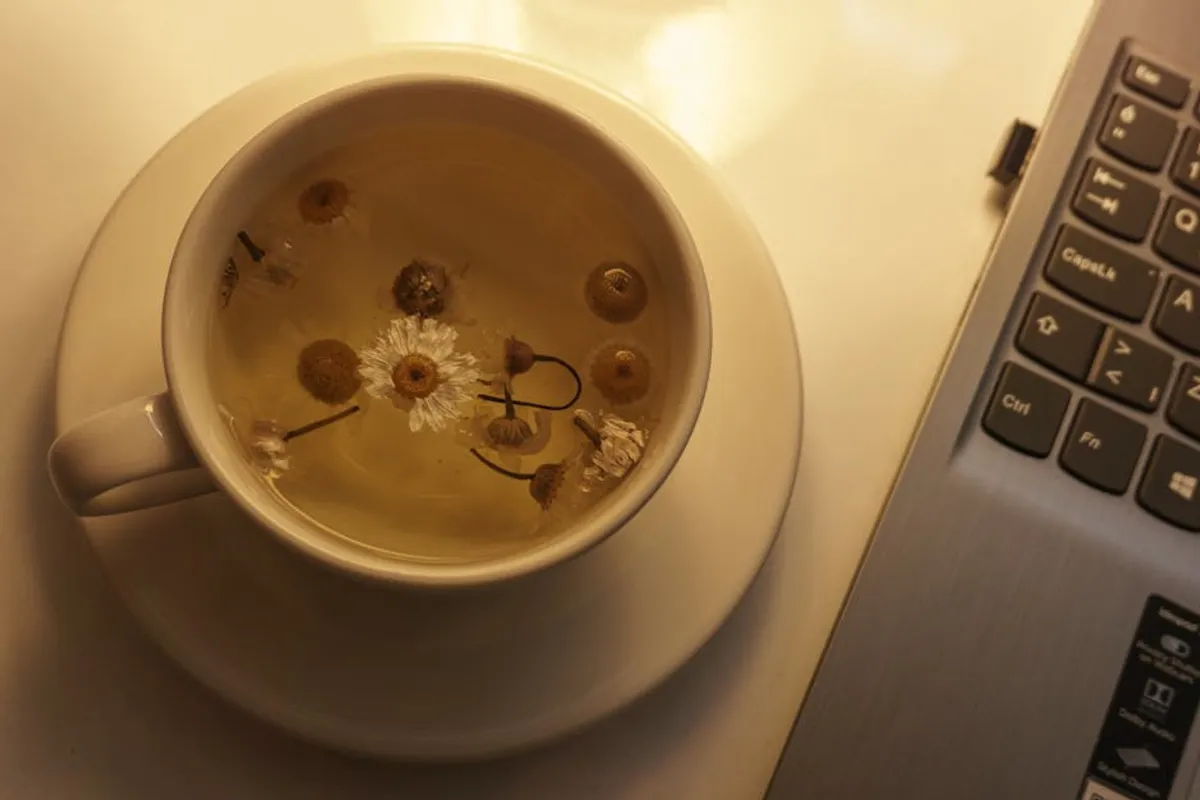
Selecting an herbal tea for relaxation involves understanding the specific properties each plant offers. Different botanicals target various aspects of stress, from calming the nervous system to promoting digestive comfort, which indirectly aids in overall relaxation. This guide details prominent herbal teas recognized for their calming effects, providing insights into their traditional uses, chemical compounds, and practical applications for those seeking a natural approach to unwind. The objective is to equip you with specific knowledge to make an informed choice tailored to individual needs and preferences. This process is similar to creating a personal care routine that incorporates herbal teas for relaxation.
How to Select the Right Herbal Tea for Relaxation
Choosing an herbal tea for relaxation extends beyond taste preference; it requires considering the desired effect, potential interactions, and individual sensitivities. Evaluate teas based on their primary active compounds and how these interact with the body. For instance, some herbs act as nervines, directly soothing the nervous system, while others offer adaptogenic properties, helping the body manage stress more effectively over time. Consider the time of day you intend to consume the tea; some are ideal for evening unwinding, while others provide a gentle calm suitable for daytime use without inducing drowsiness. Always review ingredient lists for blends, and consult with a healthcare professional if you have underlying conditions or are taking medications.
1. Chamomile Tea
Chamomile is one of the most widely recognized herbal teas for its mild sedative properties, derived primarily from the flavonoid apigenin. This compound binds to benzodiazepine receptors in the brain, contributing to its anxiolytic (anxiety-reducing) and hypnotic (sleep-inducing) effects. It has been traditionally used for centuries to calm nerves, alleviate mild insomnia, and soothe digestive discomfort, which often accompanies stress.
Best for: Evening relaxation, mild anxiety, digestive upset, promoting sleep onset.
Pros: Generally well-tolerated, widely available, pleasant mild floral taste, effective for gentle calming.
Cons: Can cause allergic reactions in individuals sensitive to ragweed or other daisy family plants. May interact with blood thinners due to coumarin content, though typically in very high doses.
Verdict: A dependable, gentle choice for daily winding down and addressing nervous tension, especially before bed. Its broad accessibility makes it a primary recommendation for general relaxation.
2. Lavender Tea
Lavender tea, made from the dried buds of the Lavandula angustifolia plant, is known for its aromatic compounds, particularly linalool and linalyl acetate. These constituents interact with neurotransmitters, including GABA, to produce calming effects on the central nervous system. The tea offers both olfactory and ingestible benefits, as its scent alone is often used in aromatherapy for stress reduction.
Best for: Stress reduction, mood elevation, anxiety relief, enhancing sleep quality through aroma and ingestion.
Pros: Distinctive, pleasant floral aroma and taste. Acts quickly due to aromatic compounds. Can be synergistic with other calming herbs.
Cons: Strong flavor can be off-putting for some. Over-consumption may lead to digestive upset in sensitive individuals. Quality varies significantly by source.
Verdict: An excellent option for those who appreciate floral notes and seek a multi-sensory relaxation experience. Its efficacy is supported by both traditional use and modern research into its aromatic compounds.
3. Lemon Balm Tea
Lemon Balm (Melissa officinalis) is a member of the mint family, prized for its ability to reduce stress and anxiety, improve sleep, and boost cognitive function. Its primary active compounds include rosmarinic acid, terpenes, and flavonoids, which contribute to its calming effects by influencing GABA receptors in the brain. It also possesses antiviral properties and can soothe digestive spasms.
Best for: Daytime anxiety relief, improving mood, cognitive calm, mild insomnia, digestive comfort.
Pros: Gentle yet effective, pleasant citrusy mint flavor. Can be consumed during the day without significant drowsiness. Supports digestive health.
Cons: May interact with thyroid medications due to potential impact on thyroid hormone levels, though research is limited and typically refers to concentrated extracts. Can be less potent for severe anxiety.
Verdict: A versatile and palatable option for those needing gentle, consistent calm throughout the day, or a mild sedative effect before sleep. Its flavor profile is generally well-received.
4. Valerian Root Tea
Valerian root (Valeriana officinalis) is one of the most potent herbal sedatives, often referred to as "nature's Valium." It contains compounds like valerenic acid and valerenol, which are believed to increase the amount of GABA in the brain, leading to reduced anxiety and improved sleep. It is typically used for more pronounced sleep disturbances and significant nervous tension.
Best for: Moderate to severe insomnia, acute anxiety, muscle tension, pre-sleep ritual for deep rest.
Pros: Strong sedative effects, effective for sleep induction and quality. Can reduce the time it takes to fall asleep.
Cons: Distinctive, often described as an earthy or "dirty sock" odor and taste, which many find unpleasant. Can cause morning grogginess or paradoxical stimulation in some individuals. Not recommended for long-term daily use without professional guidance due to potential withdrawal symptoms.
Verdict: Highly effective for significant sleep issues or acute stress, but its strong taste and potential for grogginess require careful consideration. Best reserved for occasional, targeted use.
5. Passionflower Tea
Passionflower (Passiflora incarnata) has a long history of use as a traditional calming herb. Research suggests its anxiolytic effects are due to compounds that increase GABA levels in the brain, similar to valerian, but generally with a milder impact. It is often used for generalized anxiety disorder, nervousness, and sleep problems.
Best for: Generalized anxiety, restlessness, nervous tension, improving sleep quality without heavy sedation.
Pros: Effective for anxiety and sleep without the strong taste or potential grogginess of valerian. Generally well-tolerated. Can reduce anxiety symptoms before stressful events.
Cons: Can cause dizziness, confusion, or ataxia in some sensitive individuals. Potential interactions with sedative medications. Effects may take time to become noticeable with consistent use.
Verdict: A reliable choice for managing chronic anxiety and improving sleep structure, offering a balance between efficacy and mild side effect profile compared to stronger sedatives.
6. Holy Basil (Tulsi) Tea
Holy Basil, or Tulsi (Ocimum sanctum), is an adaptogenic herb revered in Ayurvedic medicine for its ability to help the body adapt to stress. Its primary active compounds, including eugenol, rosmarinic acid, and caryophyllene, contribute to its anti-inflammatory, antioxidant, and anxiolytic properties. Tulsi does not typically induce drowsiness but promotes a sense of calm and mental clarity, making it suitable for daytime use.
Best for: Chronic stress management, mental clarity, adaptogenic support, reducing stress-induced fatigue, balancing mood.
Pros: Adaptogenic benefits for long-term stress resilience. Does not cause drowsiness. Unique spicy, aromatic flavor. Supports overall well-being beyond just relaxation.
Cons: Flavor profile might not appeal to everyone. May interact with blood-thinning medications or fertility drugs. Effects are often subtle and build over consistent use.
Verdict: An excellent choice for a daily tea to build resilience against stress and promote sustained calm without sedation. Its adaptogenic properties make it distinct from purely sedative herbs.
7. Rooibos Tea
Rooibos (Aspalathus linearis), also known as red bush tea, is a naturally caffeine-free herbal infusion from South Africa. While not a direct sedative, its absence of caffeine combined with its rich antioxidant profile (including aspalathin and nothofagin) contributes to overall well-being and can aid relaxation by reducing oxidative stress. It is often consumed as a comforting, hydrating beverage.
Best for: Caffeine-sensitive individuals, general hydration, antioxidant support, a comforting evening beverage, mild digestive relief.
Pros: Naturally caffeine-free, rich in antioxidants, mild and slightly sweet flavor. No known significant interactions with medications. Hydrating.
Cons: Does not possess direct sedative properties like other herbs on this list. Relaxation benefits are indirect, primarily through avoiding caffeine and providing general wellness support.
Verdict: A safe, flavorful, and healthy alternative to caffeinated beverages for evening consumption, contributing to relaxation by eliminating stimulants and offering general health benefits, rather than direct nervous system modulation.
8. Peppermint Tea
Peppermint (Mentha piperita) tea is widely recognized for its digestive benefits, primarily due to menthol, which relaxes the smooth muscles of the gastrointestinal tract. While not a direct nervine, digestive comfort significantly contributes to overall relaxation and can alleviate stress-induced stomach upset, which often exacerbates feelings of anxiety. A calm stomach can lead to a calm mind.
Best for: Stress-induced digestive issues, bloating, gas, general digestive comfort, aiding relaxation through physical ease.
Pros: Refreshing taste and aroma. Effective for digestive discomfort. Can be consumed hot or cold. Widely available.
Cons: Can worsen heartburn or GERD in some individuals by relaxing the esophageal sphincter. Not a direct sedative for the nervous system.
Verdict: An effective choice when digestive discomfort is a component of stress or anxiety, providing indirect relaxation through physical relief. Its refreshing quality can also offer a momentary mental uplift.
9. Decaffeinated Green Tea
While regular green tea contains caffeine, decaffeinated versions retain L-theanine, an amino acid known for its unique ability to promote a state of relaxed alertness without sedation. L-theanine directly influences brain waves, increasing alpha-wave activity, which is associated with a calm, focused state. This makes decaffeinated green tea beneficial for relaxation during the day without impairing cognitive function.
Best for: Daytime relaxation, focused calm, reducing anxiety without drowsiness, improving concentration under stress.
Pros: Contains L-theanine for unique calm-focus effects. Antioxidant benefits. Pleasant, earthy taste. Supports mental clarity.
Cons: Decaffeination processes can sometimes reduce other beneficial compounds. Residual caffeine may still be present in very small amounts. Less potent for sleep induction compared to direct sedatives.
Verdict: An excellent option for those seeking to reduce anxiety and enhance focus during the day, leveraging L-theanine's unique properties to achieve a state of calm alertness.
10. Ashwagandha Tea
Ashwagandha (Withania somnifera) is another prominent adaptogenic herb in Ayurvedic medicine, often consumed as a tea or supplement. Its primary active compounds, called withanolides, help regulate the body's response to stress by modulating the hypothalamic-pituitary-adrenal (HPA) axis. Like Holy Basil, Ashwagandha promotes long-term stress resilience and can improve sleep quality without acting as an immediate sedative.
Best for: Chronic stress and anxiety, improving stress response, enhancing sleep quality over time, adaptogenic support for overall vitality.
Pros: Strong adaptogenic properties for sustained stress relief. Supports energy levels and cognitive function. Can improve sleep architecture with consistent use. Generally well-tolerated.
Cons: Distinctive, often bitter, earthy taste that may require blending with other flavors. Effects build over weeks of consistent use, not immediate. Potential interactions with thyroid, sedative, or immunosuppressant medications.
Verdict: A powerful adaptogen for those committed to a long-term strategy for stress management and improved sleep. Its benefits are cumulative, making it a foundational choice for ongoing well-being rather than acute relief.
Maximizing the Benefits of Relaxation Teas
To fully leverage the benefits of relaxation teas, consider several factors beyond the specific herb. Brewing method significantly impacts the extraction of active compounds; ensuring proper water temperature and steeping time, as indicated by the tea producer, is crucial. For example, delicate floral teas like chamomile or lavender often require slightly cooler water than root-based teas like valerian or ashwagandha to prevent bitterness. Consistency of consumption is also key for adaptogenic herbs like Holy Basil and Ashwagandha, where effects accumulate over weeks rather than being immediate. Integrating tea consumption into a mindful ritual—such as dedicating a specific time each day, focusing on the aroma, and consciously slowing down—can amplify the psychological benefits. Pairing tea with other relaxation techniques, such as deep breathing exercises or gentle stretching, can further enhance its efficacy. Always source high-quality, organic herbs to minimize exposure to pesticides and ensure maximum potency of beneficial compounds.
Frequently Asked Questions About Relaxation Teas
Q: Can herbal relaxation teas be consumed daily?
A: Many herbal teas, particularly those like chamomile, lemon balm, rooibos, and Holy Basil, are generally safe for daily consumption. However, stronger sedatives like valerian root are often recommended for occasional use or under professional guidance to avoid tolerance or potential side effects. Always observe your body's response and consult a healthcare professional for long-term daily use.
Q: Are there any side effects or interactions with medications?
A: Yes, some herbal teas can have side effects or interact with medications. For instance, chamomile and valerian may enhance the effects of sedative medications, and Holy Basil or Ashwagandha can interact with thyroid or blood-thinning drugs. Always disclose any herbal supplements or teas you are consuming to your doctor, especially if you are on prescription medication or have chronic health conditions.
Q: How long does it take for relaxation teas to work?
A: The onset of effects varies significantly by herb. Teas like chamomile and lavender can produce noticeable calming effects within 30-60 minutes due to their direct action on the nervous system. Adaptogenic herbs like Holy Basil and Ashwagandha, however, typically require consistent daily use over several weeks to build up their stress-modulating benefits.
Q: Can relaxation teas help with severe anxiety or chronic insomnia?
A: While herbal teas can be beneficial for mild to moderate anxiety and occasional sleeplessness, they are generally not a substitute for professional medical treatment for severe anxiety disorders or chronic insomnia. They can serve as a supportive measure within a broader treatment plan. Always consult a healthcare provider for persistent or severe symptoms.



