
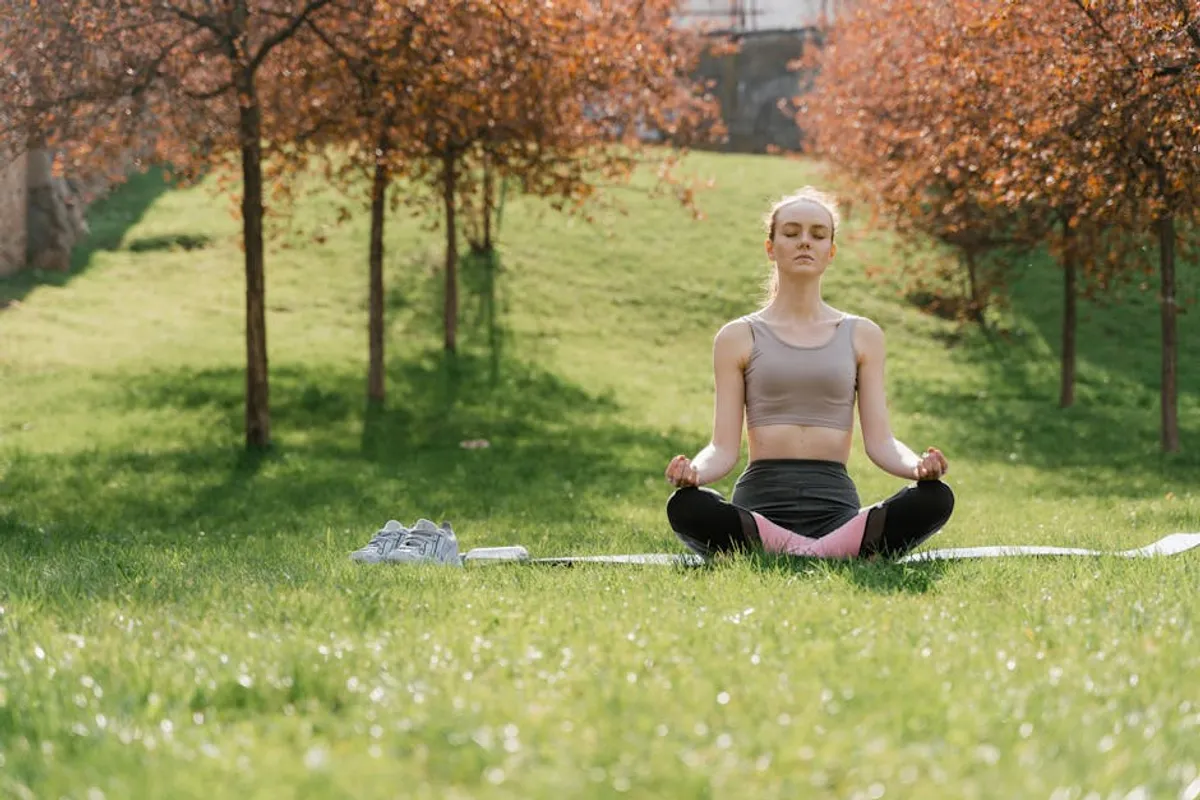
Navigating the demands of a professional environment often introduces significant stressors, impacting focus, decision-making, and overall well-being. While external factors are frequently beyond immediate control, the body's physiological response to stress is modifiable. Intentional breathing exercises offer a direct, accessible pathway to regulate this response, shifting the autonomic nervous system from a state of heightened arousal to one of calm and clarity. This approach is not merely a temporary distraction but a physiological intervention designed to mitigate the acute and chronic effects of stress by leveraging the direct connection between respiratory patterns and neurological function.
The Autonomic Nervous System and Breath's Influence
Stress activates the sympathetic nervous system, initiating the "fight or flight" response. This cascade involves increased heart rate, elevated blood pressure, and the release of cortisol and adrenaline. Conversely, the parasympathetic nervous system promotes "rest and digest" functions, lowering heart rate and blood pressure while conserving energy. Breathing exercises function by stimulating the vagus nerve, a primary component of the parasympathetic system. Controlled, slow, and deep breathing patterns enhance vagal tone, which is the activity of the vagus nerve. A higher vagal tone correlates with better emotional regulation, resilience to stress, and improved cardiovascular health.
Regulating the Stress Response: How Specific Breathing Patterns Shift Physiological States
The deliberate manipulation of breath rate and depth directly influences heart rate variability (HRV), a key metric reflecting autonomic nervous system balance. Increased HRV indicates a more adaptable and resilient nervous system, better equipped to handle stress. Specific breathing patterns, such as those emphasizing prolonged exhalations, signal safety to the brain, reducing the output of stress hormones and promoting a state conducive to cognitive function and emotional stability. This physiological recalibration is not subjective; it is measurable through biofeedback and observable changes in neurochemical profiles.
Foundational Breathing Techniques for Stress Management
Effective breathing techniques are not complex but require precise execution to elicit the desired physiological response. Integrating these methods into daily practice can provide immediate relief and foster long-term resilience.
Diaphragmatic Breathing: Cultivating Core Calm
Often termed "belly breathing," diaphragmatic breathing emphasizes the use of the diaphragm rather than shallow chest breathing. This technique maximizes oxygen intake, slows the heart rate, and directly stimulates the vagus nerve. To practice, lie or sit comfortably with one hand on your chest and the other on your abdomen. Inhale slowly and deeply through your nose, allowing your abdomen to rise while your chest remains relatively still. Exhale slowly through pursed lips, feeling your abdomen fall. The exhalation should be slightly longer than the inhalation. This technique is foundational for general relaxation and can be practiced for 5-10 minutes multiple times a day.
The 4-7-8 Technique: A Protocol for Rapid Relaxation
Developed by Dr. Andrew Weil, the 4-7-8 breathing technique is a powerful tool for rapid relaxation and can aid in falling asleep or managing acute stress. It involves a specific count for inhalation, breath-holding, and exhalation.
Execution:
- Exhale completely through your mouth, making a "whoosh" sound.
- Close your mouth and inhale quietly through your nose to a mental count of four.
- Hold your breath for a count of seven.
- Exhale completely through your mouth, making a "whoosh" sound, to a count of eight.
This completes one breath. Repeat the cycle three more times for a total of four breaths. The key is the ratio, not the absolute duration of each phase. The prolonged exhalation helps to slow the heart rate and calm the nervous system quickly.
Box Breathing: Structured Focus Under Pressure
Also known as "tactical breathing," box breathing is used by military personnel and athletes to maintain calm and focus in high-pressure situations. It involves equal durations for each phase of the breath cycle, creating a rhythmic, stabilizing effect.
Execution:
- Exhale completely to a count of four.
- Hold your breath (lungs empty) for a count of four.
- Inhale slowly and deeply to a count of four.
- Hold your breath (lungs full) for a count of four.
Repeat this cycle for several minutes. The equal segments provide a predictable rhythm that can quiet a racing mind and enhance concentration, making it particularly useful before important meetings or during demanding tasks.
Integrating Breathwork into Professional Life
The efficacy of breathing exercises for stress management is amplified through consistent integration into daily routines, even amidst demanding professional schedules.
Short-Burst Practices for Desk-Bound Professionals
Even brief, intentional breathing breaks can disrupt the stress response cycle. A two-minute box breathing session before a critical phone call or a few rounds of diaphragmatic breathing during a coffee break can reset focus and reduce tension. These micro-practices are discreet and require no special equipment, making them accessible in any professional setting. The cumulative effect of these short interventions can significantly reduce overall stress load throughout the workday.
Establishing a Consistent Daily Routine
Beyond acute interventions, dedicating 10-15 minutes daily to a structured breathing practice yields more profound and lasting benefits. This could involve an extended session of diaphragmatic breathing in the morning to set a calm tone for the day, or the 4-7-8 technique in the evening to facilitate sleep. Consistency builds resilience, training the nervous system to default to a calmer state more readily. Integrating these practices into existing routines, such as during a commute or before starting work, increases adherence.
Measuring Efficacy and Sustaining Practice
The benefits of consistent breathing exercises extend beyond subjective feelings of calm. Observing tangible improvements can reinforce commitment to the practice.
Key Indicators:
- Improved sleep quality and ease of falling asleep.
- Enhanced ability to maintain focus and concentration on tasks.
- Reduced frequency and intensity of stress-induced physical symptoms (e.g., headaches, muscle tension).
- Greater emotional regulation and reduced reactivity to minor irritations.
- Increased energy levels and reduced feelings of fatigue throughout the day.
Pro Tip: Consistency is more impactful than intensity. Short, regular breathing sessions are more effective for long-term stress reduction than infrequent, extended practices. Integrate breathwork into existing daily transitions, such as before checking email or during a commute, to build a sustainable habit.
Actionable Steps for Stress Reduction
Implementing intentional breathing exercises provides a direct and immediate mechanism for stress mitigation. By understanding the physiological underpinnings and consistently applying specific techniques, individuals can actively regulate their autonomic nervous system, thereby enhancing focus, improving emotional resilience, and reducing the cumulative impact of professional stressors. The value lies in their accessibility, lack of cost, and demonstrable efficacy in fostering a more balanced and productive state.
Frequently Asked Questions
How quickly can breathing exercises reduce stress?
Many individuals experience immediate relief within minutes of practicing techniques like the 4-7-8 method or box breathing, particularly for acute stress. Consistent daily practice builds long-term resilience.
Are there any risks associated with breathing exercises?
For most individuals, controlled breathing exercises are safe. However, those with severe respiratory conditions, heart issues, or anxiety disorders should consult a healthcare professional before starting, especially with more intense breath-holding techniques.
Can breathing exercises replace other stress management methods?
Breathing exercises are a powerful component of a comprehensive stress management strategy. They complement other practices such as regular physical activity, adequate sleep, and mindful dietary choices, rather than replacing them entirely.
What is the best time of day to practice breathing exercises?
The optimal time depends on individual needs. Morning practice can set a calm tone for the day, mid-day sessions can combat fatigue and refocus, and evening practice can aid in relaxation and sleep preparation. Integrating them into transitions or moments of elevated stress is also highly effective.