
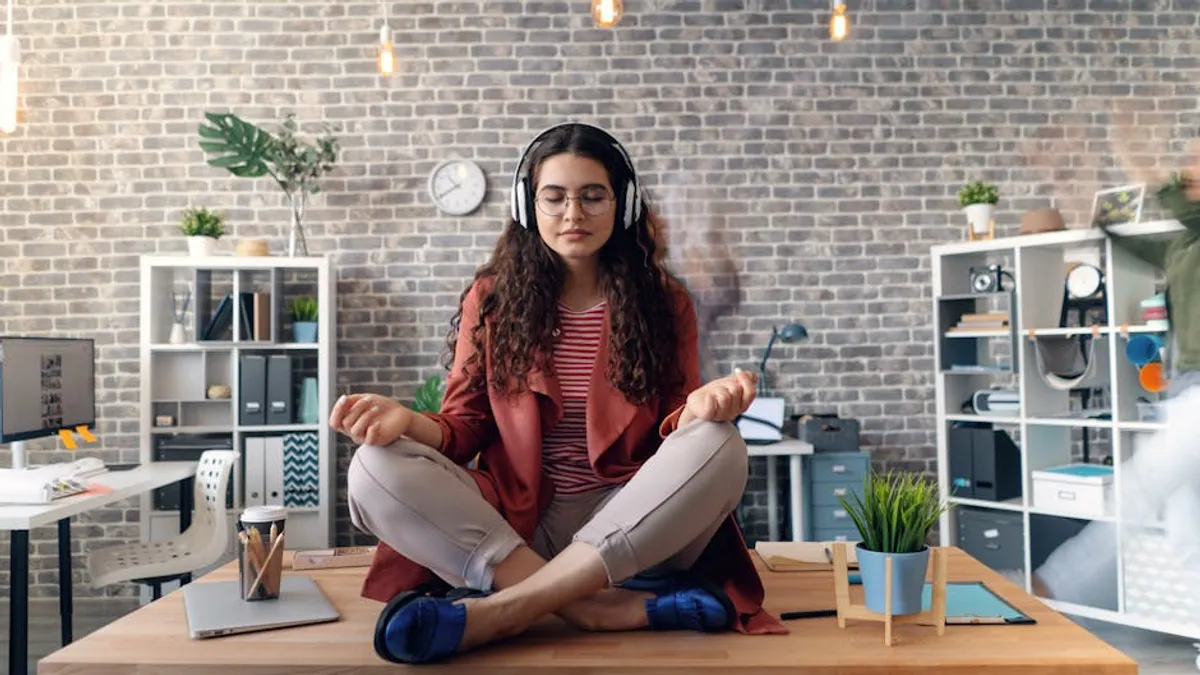
Starting a meditation practice often begins with a desire for reduced stress, improved focus, or a deeper sense of calm. While the concept may seem esoteric or complex, the practical application of meditation is straightforward and accessible to anyone. This guide outlines the foundational steps to initiate a personal meditation routine, focusing on actionable techniques and realistic expectations, rather than abstract philosophy. The goal is to demystify the process and provide a clear path to integrating mindfulness into daily life, building a skill that offers tangible benefits over time.
Establishing Your Foundation
Successful meditation begins with thoughtful preparation of your environment and mindset. These initial steps create a conducive atmosphere for practice and help establish a sustainable routine.
Choosing Your Space
Identify a location that offers a sense of quiet and minimal interruption. This doesn't require a dedicated meditation room; a corner of a bedroom, a quiet office, or even a specific chair can suffice. The key is consistency. Using the same space regularly helps condition your mind to transition into a meditative state more readily. Ensure the area is clean and free from clutter, as external order can contribute to internal calm. While absolute silence is ideal, it's often unrealistic; choose a space where unexpected noises are less likely to occur.
Setting Your Time
Consistency in timing is more impactful than duration when starting out. Select a specific time each day when you are least likely to be disturbed and can commit to the practice without rushing. Many find mornings beneficial, as it sets a calm tone for the day before daily demands fully emerge. Others prefer evenings to unwind before sleep. Experiment to find what works best for your schedule and energy levels. Even five to ten minutes daily is more effective than sporadic longer sessions.
Finding a Comfortable Posture
Your posture during meditation should be stable, alert, and comfortable enough to maintain for the duration of your practice. You can sit on a cushion on the floor, in a chair with your feet flat on the ground, or even lie down if sitting upright causes discomfort (though this increases the likelihood of falling asleep). The spine should be erect but not rigid, allowing for natural breathing. Shoulders should be relaxed, and hands can rest gently on your lap. The aim is to minimize physical distractions so your attention can remain focused internally.
Fundamental Meditation Techniques
For beginners, focusing on simple, direct techniques helps build concentration and awareness without overcomplicating the practice.
Breath Awareness (Anapanasati)
This foundational technique involves directing your attention to the sensation of your breath. Sit in your chosen posture and gently close your eyes, or keep them softly focused on a point a few feet in front of you. Bring your awareness to the natural rhythm of your breath – notice the inhale and exhale, the rise and fall of your abdomen or chest, or the sensation of air entering and leaving your nostrils. Do not try to control your breath; simply observe it as it is. When your mind inevitably wanders (which it will), gently guide your attention back to the breath without judgment.
Body Scan Meditation
A body scan cultivates awareness of physical sensations throughout your body. Begin by bringing your attention to your feet. Notice any sensations there – warmth, coolness, tingling, pressure. Without trying to change anything, simply observe. Then, slowly move your attention up through your body: ankles, calves, knees, thighs, hips, abdomen, lower back, upper back, chest, shoulders, arms, hands, neck, face, and finally the top of your head. Linger on each area for a few breaths, acknowledging whatever sensations arise. This practice enhances interoceptive awareness and can help release physical tension.
Engaging Your Senses
This technique grounds you in the present moment by focusing on external sensory input. While sitting, open your awareness to the sounds around you. Listen without labeling or judging; simply notice the pitch, volume, and duration of each sound. Then, shift your attention to what you can feel – the texture of your clothing, the air on your skin, the contact points with your seat. You can also briefly open your eyes to notice colors and shapes without getting caught in narratives. This practice helps to expand your mindfulness beyond internal sensations.
Pro Tip: Do not mistake meditation for the absence of thought. Your mind will wander; this is its nature. The practice is not about stopping thoughts, but about noticing when your mind has strayed and gently redirecting your attention back to your anchor (e.g., your breath). Each time you do this, you are strengthening your attention muscle, which is the core benefit of meditation.
Navigating Common Challenges
Expect challenges as you begin. Understanding these common hurdles helps you approach them with patience and persistence.
Acknowledging Wandering Thoughts
The most frequent challenge for beginners is a busy mind. It's crucial to understand that a wandering mind is not a sign of failure. Every time you notice your mind has drifted and you bring it back to your chosen focus, you are actively meditating. Treat each distraction as an opportunity to practice non-judgmental awareness and gentle redirection. Avoid frustration; it only adds another layer of mental activity.
Prioritizing Consistency Over Duration
Many beginners attempt to meditate for long periods, leading to discouragement. Short, consistent sessions are far more beneficial than infrequent, lengthy ones. Start with five minutes daily for a week, then gradually increase to ten, then fifteen. Building a habit is the primary goal in the initial stages. The duration will naturally extend as your capacity for concentration grows.
Realistic Expectations for Progress
Meditation is a skill that develops over time, much like learning an instrument or a language. Instant profound calm or enlightenment is not a realistic expectation. Benefits such as reduced reactivity, increased focus, and a greater sense of peace emerge gradually. Focus on the process itself – the act of sitting, observing, and returning – rather than anticipating specific outcomes. Celebrate small improvements in your ability to stay present.
Weaving Meditation into Daily Life
Meditation extends beyond formal sitting sessions. Integrating mindfulness into your daily activities reinforces the practice and amplifies its benefits.
Informal Mindfulness Practices
- Mindful Eating: Pay full attention to the taste, texture, and smell of your food.
- Mindful Walking: Notice the sensation of your feet on the ground, the movement of your body, and the sights and sounds around you.
- Mindful Chores: Bring conscious attention to routine tasks like washing dishes or brushing teeth, focusing on the sensory experience.
- One-Minute Breath: Take a minute at various points in your day to simply observe your breath, resetting your attention.
These brief moments of awareness help bridge the gap between formal meditation and everyday living, making mindfulness a continuous presence rather than an isolated activity.
Leveraging Guided Resources
Many free and paid resources offer guided meditations, which can be incredibly helpful for beginners. These guides provide instructions and prompts, making it easier to stay focused and understand the techniques. They can also introduce you to different styles of meditation. While not a substitute for developing your internal capacity for focus, guided meditations can be a valuable tool for establishing and deepening your practice.
Cultivating a Lasting Practice
Starting meditation is an act of self-care and a commitment to personal development. The initial steps involve establishing a quiet, consistent environment and engaging with fundamental techniques like breath awareness and body scans. As you progress, navigating distractions with patience and maintaining realistic expectations will be key. Remember that consistency, even in short bursts, builds the habit. Integrating informal mindfulness into your daily routine extends the benefits beyond your formal sessions. Approach your practice with curiosity and kindness, allowing the positive shifts to unfold naturally over time.
Frequently Asked Questions
What is the best time to meditate?
The best time is one you can consistently commit to. Many find mornings beneficial for setting a calm tone, while others prefer evenings for winding down. Experiment to find what fits your schedule and energy levels.
How long should a beginner meditate?
Start with short sessions, such as 5-10 minutes daily. Consistency is more important than duration. Gradually increase your time as you become more comfortable and focused.
Is it normal for my mind to wander during meditation?
Yes, a wandering mind is completely normal. The practice of meditation is not about stopping thoughts, but about noticing when your mind has strayed and gently bringing your attention back to your chosen focus, such as your breath.
Do I need special equipment to meditate?
No special equipment is required. A comfortable place to sit or lie down is sufficient. Some people use meditation cushions or benches for posture support, but these are optional and not necessary to begin.