
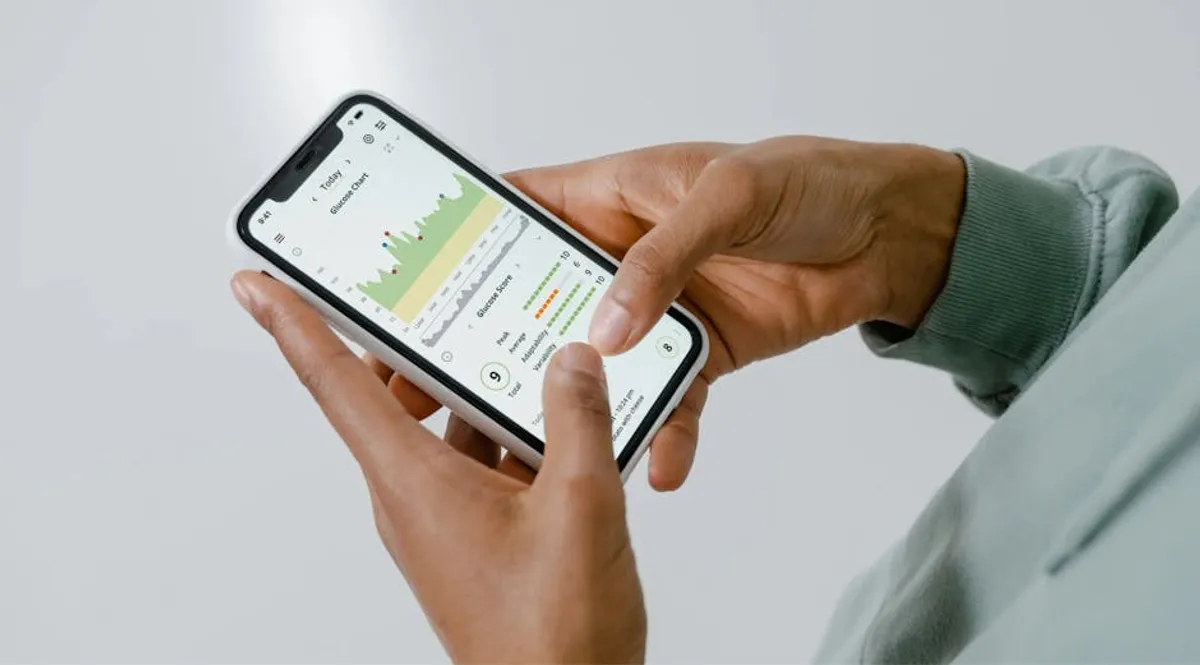
Tracking mood and energy provides a data-driven approach to personal and professional optimization. For professionals, site owners, and marketers, understanding these internal states is not merely a matter of self-care; it directly impacts decision-making, productivity, sustained focus, and overall career longevity. The goal is to move beyond subjective feelings and establish a repeatable system for identifying patterns, triggers, and correlations between daily activities and your internal state. This systematic approach allows for proactive adjustments, mitigating burnout, and maximizing periods of high performance, transforming qualitative experiences into actionable insights.
Establishing Your Tracking Framework
The first step in effective mood and energy tracking is selecting a method that aligns with your lifestyle and commitment level. Consistency is paramount; a complex system that isn't maintained yields no data. Consider the trade-offs between detail, ease of use, and data analysis capabilities.
Manual Journaling and Notebooks
Best for: Deep, unstructured reflection and qualitative insights.
Physical notebooks offer unparalleled flexibility. There are no predefined fields, allowing you to record observations, thoughts, and feelings in freeform. This method encourages deeper introspection, as the act of writing by hand can stimulate different cognitive processes than typing. You can note subtle nuances, unexpected events, and immediate reactions without the constraints of an app's interface.
Pro Tip: When journaling manually, dedicate a specific section or page each day to mood and energy. Use a simple scale (e.g., 1-10 for energy, a few descriptive words for mood) as a consistent anchor point, then expand with qualitative observations about the day's events, stressors, or positive influences. This balances structure with freeform reflection.
Digital Journals and Dedicated Apps
Best for: Structured data collection, pattern identification, and reminders.
Numerous digital platforms and applications are designed specifically for mood and energy tracking. These tools often provide structured input fields, customizable scales, and predefined categories for factors like sleep, exercise, and diet. Their primary advantage lies in data aggregation and visualization. Over time, these apps can generate charts and graphs, revealing trends and correlations that are difficult to spot in manual entries. Many include notification features to prompt daily logging, improving consistency.
Spreadsheets for Custom Data Analysis
Best for: Advanced customization, quantitative analysis, and integration with other personal data.
For those comfortable with data manipulation, a simple spreadsheet (e.g., using widely available office suites) offers a highly customizable and free solution. You can define specific columns for mood scales, energy levels, sleep hours, stress triggers, work tasks, and any other variables you wish to track. The power of spreadsheets comes from their ability to perform calculations, create pivot tables, and generate custom charts. This allows for sophisticated analysis, such as correlating energy dips with specific project types or identifying peak productivity times based on mood scores. It requires initial setup but provides maximum control over your data.
Wearable Devices and Passive Tracking
Best for: Objective physiological data and understanding energy expenditure.
While wearables don't directly track mood, they offer valuable insights into factors that heavily influence energy levels, such as sleep quality, heart rate variability (HRV), and activity levels. Devices that monitor sleep stages can help correlate poor rest with subsequent low energy or mood. Integrating this passive data with active mood tracking provides a more holistic view. For example, a day of low energy might be directly attributable to poor deep sleep detected by a wearable, offering a clear, actionable insight.
Key Metrics for Comprehensive Tracking
Effective tracking moves beyond a simple "good" or "bad" rating. To derive meaningful insights, expand your data points to include influencing factors:
- Mood Scale: A numerical scale (e.g., 1-5 or 1-10) combined with a few descriptive words (e.g., "focused," "anxious," "calm," "frustrated").
- Energy Level: Similar numerical scale, perhaps with notes on physical vs. mental energy.
- Sleep: Hours slept, sleep quality (e.g., "restless," "deep"), wake-up time.
- Nutrition: General quality of meals (e.g., "balanced," "skipped," "processed"), hydration (e.g., glasses of water).
- Physical Activity: Type, duration, and intensity of exercise.
- Workload & Stressors: Major tasks completed, perceived pressure, specific challenges encountered.
- Social Interaction: Quality and quantity of social engagement.
- Environmental Factors: Weather, light exposure, noise levels.
- Mindfulness/Breaks: Time spent on relaxation, meditation, or deliberate breaks.
Analyzing Your Data for Actionable Insights
Collecting data is only the first step. The true value lies in analysis. Regularly review your entries—daily, weekly, or monthly—to identify patterns:
Identify Triggers: What precedes a dip in mood or energy? Is it specific meetings, lack of sleep, certain foods, or prolonged screen time? Conversely, what activities consistently boost your state?
Recognize Cycles: Do you have predictable weekly or monthly fluctuations? Understanding these cycles can help you schedule demanding tasks during peak periods and plan for recovery during lows.
Correlate Factors: Does increased physical activity consistently lead to better sleep and higher energy? Does poor hydration impact focus and mood? Look for clear cause-and-effect relationships.
Inform Decisions: Use these insights to make proactive changes. Adjust your schedule, refine your diet, prioritize specific self-care activities, or communicate needs to your team. For example, if you consistently perform better after a morning workout, prioritize that in your routine.
Sustaining Your Tracking Practice
To ensure long-term benefits, integrate tracking seamlessly into your routine. Start simple, focusing on 2-3 key metrics, and gradually add more as you become comfortable. Set a consistent time each day for logging—perhaps first thing in the morning to set intentions, and again in the evening for reflection. The goal is not perfection in logging every detail, but rather consistent engagement that provides a representative picture of your internal states over time. This practice cultivates self-awareness, leading to more informed choices and ultimately, improved personal and professional performance.
Frequently Asked Questions
How often should I track my mood and energy?
Daily tracking is most effective for identifying immediate correlations and building a consistent data set. Consider logging once in the morning to gauge your starting state and again in the evening to reflect on the day's impact.
What if I miss a day or several days of tracking?
Do not abandon the practice. Simply resume tracking the next day. The goal is long-term pattern recognition, and occasional gaps will not invalidate the overall data. Consistency over perfection is key.
How can tracking mood and energy specifically improve my professional life?
By identifying peak performance times, understanding stress triggers, and recognizing factors that enhance focus, you can strategically plan your workload, optimize your schedule, and implement self-care practices that directly support sustained productivity and decision-making.
Are there privacy concerns with digital tracking apps?
When using digital apps, always review their privacy policies to understand how your data is stored, used, and shared. Opt for apps with strong encryption and clear commitments to user data privacy. For maximum control, consider using a personal spreadsheet or a local-only app.



