
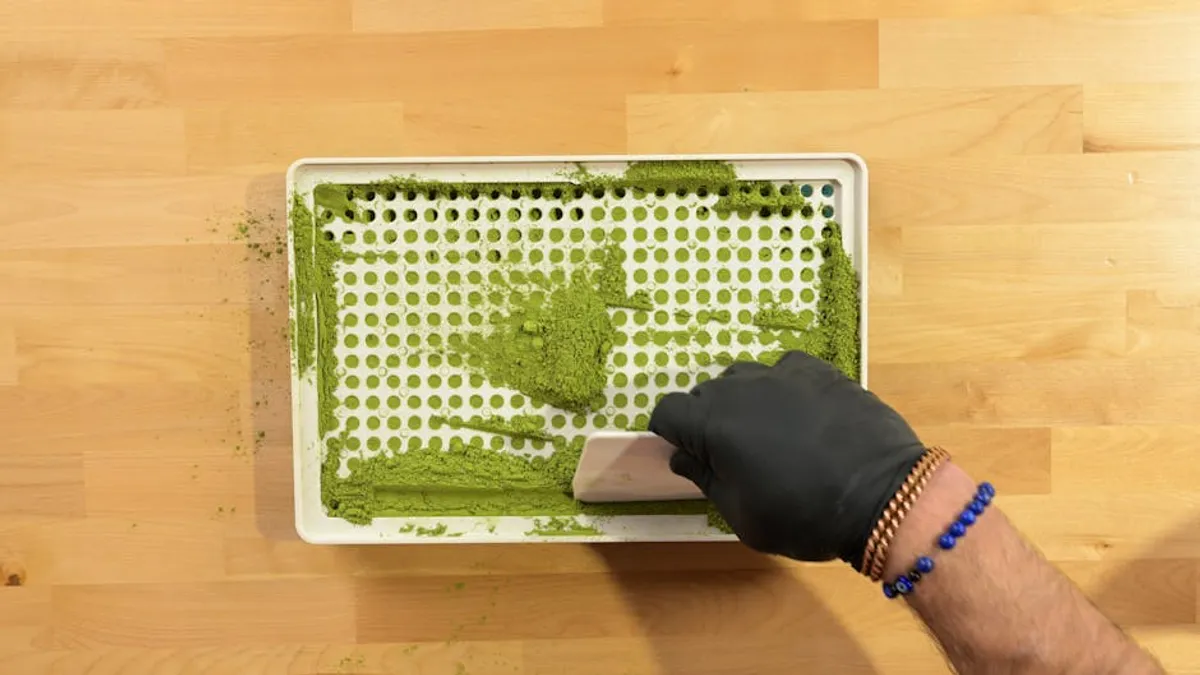
Kratom, derived from the leaves of the Mitragyna speciosa tree, has gained attention for its reported stimulant and opioid-like effects. Users often seek it for pain management, mood enhancement, or energy. However, like any botanical substance, kratom use carries potential side effects, with dermatological reactions, commonly referred to as "kratom rash," being a notable concern. Understanding the nature of these skin manifestations, their potential causes, and effective management strategies is crucial for anyone considering or currently using kratom. This guide provides a detailed overview to help users identify, address, and potentially prevent such reactions, emphasizing informed decision-making regarding sourcing, dosage, and overall safety.
Understanding Kratom and Its Dermatological Impact
What is Kratom?
Kratom originates from Southeast Asia, where its leaves have been chewed or brewed into tea for centuries by indigenous populations for their medicinal and psychotropic properties. The primary active compounds are alkaloids, notably mitragynine and 7-hydroxymitragynine, which interact with opioid receptors in the brain. This interaction is responsible for the analgesic, euphoric, and sedative effects commonly associated with its use. Users report varied outcomes depending on the strain and dosage, from increased alertness at lower doses to relaxation and pain relief at higher doses.
The Phenomenon of Kratom Rash
While not universally experienced, skin reactions are a documented, albeit less common, side effect of kratom use. These reactions can range from mild irritation to more pronounced allergic responses. A "kratom rash" is a general term encompassing various skin conditions that users attribute to kratom, highlighting the need for a more precise understanding of their presentation and underlying causes. These reactions can impact user comfort and, in some cases, signal a broader systemic issue or an interaction with specific product components.
Identifying Kratom-Related Skin Reactions
Common Manifestations and Symptoms
Kratom-related skin issues typically present as various forms of dermatitis. Common symptoms include:
- Urticaria (Hives): Raised, itchy welts that can appear suddenly and vary in size and shape.
- Eczematous Eruptions: Patches of red, inflamed, itchy skin, sometimes with small blisters or scaling, resembling eczema.
- Pruritus: Generalized itching without a visible rash, which can be a precursor to or accompany other skin changes.
- Erythema: Redness of the skin, often in localized areas, indicating inflammation.
- Angioedema: Swelling beneath the skin, often around the eyes, lips, or throat, which can be more serious if it affects airways.
These symptoms can appear shortly after kratom consumption or develop over time with consistent use.
Differentiating from Other Skin Conditions
Accurately identifying a kratom rash requires careful observation, as many skin conditions share similar symptoms. It's crucial to consider other potential triggers, such as new detergents, foods, medications, or environmental irritants. A key differentiator for a kratom-related rash is its temporal association with kratom use—does it appear or worsen after consumption? Keeping a detailed log of kratom intake and any skin changes can help establish a correlation. Consulting a dermatologist is recommended for persistent or severe rashes to rule out other dermatological conditions and ensure proper diagnosis.
Potential Causes and Mechanisms
Allergic Reactions and Sensitization
The most common explanation for a kratom rash is an allergic reaction to the plant's compounds. Individuals can develop hypersensitivity to specific alkaloids or other natural constituents present in kratom. This immune response can manifest as contact dermatitis or systemic allergic reactions. Sensitization can occur over time, meaning a user might not experience a rash initially but develops one after prolonged exposure.
Impurity Contamination and Adulterants
The unregulated nature of the kratom market means product quality can vary significantly. Contamination is a serious concern. Products may contain:
- Heavy metals: Lead, cadmium, and arsenic from soil or processing.
- Pesticides and herbicides: Residues from agricultural practices.
- Microbial agents: Bacteria (e.g., Salmonella) or mold from improper handling or storage.
- Adulterants: Other substances intentionally added to enhance effects or cut costs, such as synthetic opioids, caffeine, or other botanicals.
These impurities, rather than kratom itself, can trigger adverse skin reactions or exacerbate existing sensitivities. This highlights the critical importance of sourcing.
Dosage, Frequency, and Individual Sensitivity
The likelihood and severity of skin reactions can correlate with the amount and frequency of kratom consumption. Higher doses or more frequent use may increase exposure to potential allergens or irritants, overwhelming the body's detoxification pathways. Furthermore, individual physiological differences play a significant role. Genetic predispositions, existing skin conditions (like eczema or psoriasis), and overall immune system health can make some individuals more susceptible to developing a rash.
Pro Tip: When experiencing a potential kratom rash, systematically eliminate other variables before attributing it solely to kratom. Consider recent changes in diet, hygiene products, or medications. If the rash persists or worsens, discontinue kratom use and seek medical advice. Documenting symptoms, duration, and any other concurrent changes will assist medical professionals in diagnosis.
Managing and Preventing Kratom Rash
Immediate Steps for Rash Management
If a rash appears, the first step is to discontinue kratom use immediately. For mild cases, over-the-counter remedies like antihistamines (to reduce itching) and topical corticosteroids (to reduce inflammation) can provide relief. Cool compresses and colloidal oatmeal baths can also soothe irritated skin. Avoid scratching, which can worsen inflammation and lead to secondary infections. If symptoms are severe, widespread, or accompanied by difficulty breathing or swelling of the face/throat, seek emergency medical attention.
Sourcing and Quality Control Considerations
Preventing kratom rash often begins with careful product selection. Opt for vendors who provide transparent third-party lab testing results for their products. These reports should confirm the absence of heavy metals, pesticides, and microbial contaminants, and verify alkaloid content. Look for certifications from organizations that promote quality standards within the kratom industry, such as the American Kratom Association (AKA) Good Manufacturing Practices (GMP) program. While not foolproof, these measures significantly reduce the risk of exposure to harmful impurities.
Gradual Introduction and Monitoring
For new users, or those trying a different strain, a gradual introduction is advisable. Start with a very low dose and observe for any adverse reactions, including skin changes, over several days. Increase the dose incrementally only if no issues arise. This allows the body to adapt and helps identify potential sensitivities before a severe reaction occurs. Maintaining a detailed journal of doses, strains, and any observed effects can be invaluable for personal safety.
Broader Safety Considerations for Kratom Use
General Risks Beyond Skin Reactions
Beyond dermatological issues, kratom use is associated with other potential risks. These include gastrointestinal problems (nausea, constipation), liver toxicity (rare but reported), and dependency with prolonged, high-dose use. Withdrawal symptoms, similar to opioid withdrawal, can occur upon cessation. Neurological effects like tremors, seizures, and cognitive impairment have also been reported in some cases. The long-term effects of kratom use are still not fully understood due to limited research.
Regulatory Status and User Responsibility
Kratom's legal status varies significantly by country, state, and even local jurisdiction. In many places, it remains unregulated, meaning there are no government standards for purity, potency, or labeling. This regulatory vacuum places a greater burden on the individual user to exercise extreme caution and conduct thorough due diligence. Users are responsible for understanding the legal landscape in their area and for making informed choices about product sourcing and consumption, prioritizing safety and health above all else.
Navigating Kratom Use Responsibly
The appearance of a kratom rash serves as a clear signal to re-evaluate current usage practices. While kratom offers perceived benefits to some, the potential for adverse reactions, including dermatological ones, necessitates a cautious and informed approach. Prioritizing product quality, understanding individual sensitivities, and adhering to responsible dosing guidelines are paramount. Any persistent or severe skin reaction warrants immediate medical consultation. Ultimately, responsible kratom use involves continuous vigilance, a commitment to sourcing verified products, and a readiness to adjust or cease use based on personal health responses.
Frequently Asked Questions
Q: How long does a kratom rash typically last?
A: The duration varies depending on the severity of the reaction and individual factors. Mild rashes may resolve within a few days of discontinuing kratom use and applying topical treatments. More severe allergic reactions could persist for weeks and may require medical intervention.
Q: Can I prevent a kratom rash by switching strains?
A: If the rash is due to an allergic reaction to a specific alkaloid or contaminant, switching strains might help if the new strain has a different chemical profile or is from a cleaner source. However, if the sensitivity is to a common compound across all kratom, switching may not prevent a recurrence. Always proceed with caution.
Q: Is a kratom rash a sign of a more serious underlying condition?
A: While often an isolated allergic response, a severe or persistent rash can sometimes indicate a broader systemic issue, such as liver stress or a significant allergic reaction. It's always prudent to consult a healthcare professional to rule out more serious conditions, especially if symptoms worsen or are accompanied by other adverse effects.
Q: Should I continue using kratom if I develop a mild rash?
A: It is generally advised to discontinue kratom use immediately upon noticing any skin reaction. Continuing use could exacerbate the rash, potentially leading to a more severe allergic response or other health complications. Reintroducing kratom, if desired, should only be done under medical guidance and with extreme caution.