
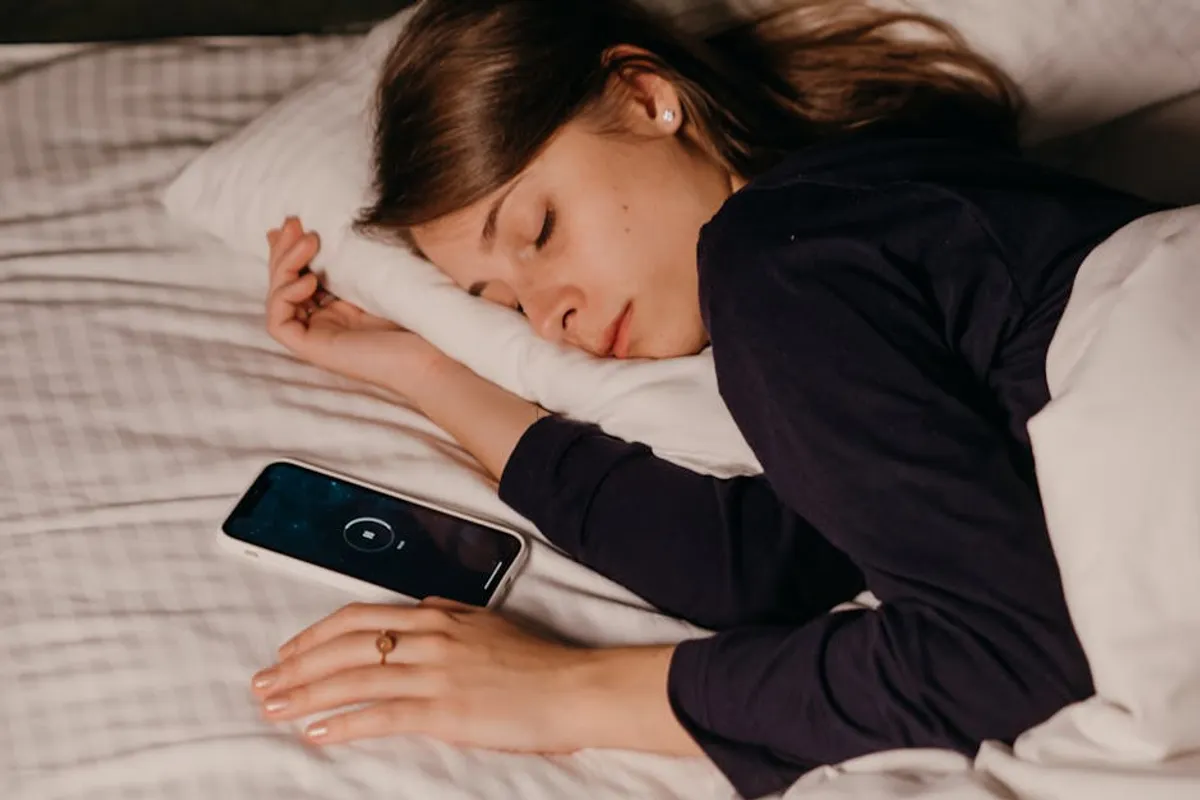
For professionals operating in high-demand fields like SEO, marketing, and publishing, sleep is not merely a biological necessity; it is a strategic asset. The quality of your rest directly correlates with cognitive function, decision-making acumen, and sustained productivity. Compromised sleep leads to reduced analytical capacity, impaired memory consolidation, and increased susceptibility to stress—all detrimental to navigating complex campaigns or critical business decisions. Implementing a structured sleep hygiene checklist is not about adopting a rigid routine, but about optimizing your environment and habits to support peak mental performance and resilience. This guide outlines actionable steps to cultivate consistent, restorative sleep, treating it as a foundational element for professional efficacy.
Optimizing Your Sleep Environment
The immediate surroundings of your sleep space significantly influence the speed of sleep onset and its continuity. Each element, from light exposure to ambient temperature, plays a role in signaling your body's readiness for rest.
Control Light Exposure
Rationale: Light, particularly blue light emitted from screens, suppresses melatonin production, the hormone essential for regulating sleep-wake cycles. Even dim ambient light can disrupt circadian rhythm.
- Blackout Curtains or Blinds: Ensure your bedroom is as dark as possible. Even small amounts of light from streetlights or electronics can interfere with melatonin secretion.
- Eliminate Device Glow: Cover or remove all light-emitting devices (chargers, alarm clocks with bright displays) from your line of sight. Use an analog alarm clock if digital displays are too bright.
- Morning Light Exposure: Conversely, expose yourself to bright natural light within 30 minutes of waking. This reinforces your circadian rhythm, signaling to your body that the day has begun and helping to consolidate sleep at night.
Manage Temperature and Air Quality
Rationale: Core body temperature naturally drops before and during sleep. An overly warm room can hinder this process, while poor air quality can lead to respiratory discomfort and fragmented sleep.
- Cool Bedroom Temperature: Aim for a bedroom temperature between 60-67°F (15-19°C). This range is optimal for facilitating the body's natural temperature drop.
- Ensure Ventilation: Open a window slightly or use an air purifier to maintain fresh air circulation. Stale air can feel oppressive and reduce comfort.
Reduce Noise Disturbances
Rationale: Unwanted noise, even if you consciously adapt to it, can trigger physiological arousal responses, leading to lighter sleep stages or micro-awakenings that fragment rest.
- Soundproofing: Use heavy curtains or weatherstripping to minimize external noise.
- White Noise or Earplugs: If complete silence is not achievable, consider a white noise machine to mask inconsistent sounds, or use comfortable earplugs.
Establishing a Consistent Pre-Sleep Routine
Your brain thrives on routine. A predictable sequence of calming activities before bed signals to your body that it's time to wind down, facilitating a smoother transition into sleep.
Adhere to a Fixed Sleep Schedule
Rationale: Going to bed and waking up at the same time every day, even on weekends, strengthens your circadian rhythm. This consistency helps regulate your internal clock, making it easier to fall asleep and wake naturally.
Pro Tip: Resist the urge to "catch up" on sleep by sleeping in significantly on non-work days. While tempting, this can disrupt your established rhythm, making it harder to return to your weekday schedule and potentially leading to "social jet lag." Prioritize consistent sleep duration daily instead.
Incorporate Relaxing Activities
Rationale: Engaging in calming activities for 30-60 minutes before bed helps transition your mind from active problem-solving to a state conducive to rest. This reduces cognitive arousal.
- Read a Physical Book: Avoid screens during this time. Reading a printed book can be a low-stimulus activity that prepares your mind for sleep.
- Warm Bath or Shower: The temporary rise in body temperature followed by a cooling period can promote drowsiness.
- Gentle Stretching or Meditation: These practices can reduce muscle tension and quiet an overactive mind.
Limit Screen Time and Stimulants
Rationale: The blue light from electronic devices directly interferes with melatonin production. Stimulants like caffeine and nicotine have long half-lives, meaning their effects persist for hours, disrupting sleep architecture.
- Digital Sunset: Cease all screen use (phones, tablets, computers, TVs) at least 60-90 minutes before your target bedtime.
- Caffeine Cut-off: Avoid caffeine after midday, or at least 6-8 hours before bed. Individuals metabolize caffeine at different rates.
- Nicotine and Alcohol: Nicotine is a stimulant and should be avoided close to bedtime. While alcohol may initially induce drowsiness, it fragments sleep later in the night, reducing REM sleep quality.
Diet, Exercise, and Daytime Habits
What you consume and how you move during the day profoundly impact your ability to sleep soundly at night. These elements contribute to overall physiological balance.
Strategic Exercise Timing
Rationale: Regular physical activity improves sleep quality by reducing stress and promoting deeper sleep stages. However, intense exercise too close to bedtime can elevate heart rate and body temperature, making sleep difficult.
- Morning or Afternoon Workouts: Aim for moderate to vigorous exercise at least 3-4 hours before your planned bedtime.
- Avoid Late-Night Vigorous Activity: While gentle stretching is fine, intense cardio or weightlifting should be completed well before evening.
Mindful Eating and Drinking
Rationale: Heavy meals, spicy foods, or excessive liquids before bed can cause digestive discomfort, heartburn, and necessitate nighttime bathroom trips, all disrupting sleep.
- Light Evening Meal: Finish large meals at least 2-3 hours before bed. Opt for easily digestible foods.
- Limit Liquids: Reduce fluid intake in the evening to minimize nighttime awakenings for restroom visits.
Napping Strategy
Rationale: While short naps can boost alertness, long or late-afternoon naps can reduce your "sleep drive," making it harder to fall asleep at night.
- Power Naps: If necessary, limit naps to 20-30 minutes and take them earlier in the day (before 3 PM).
Sustaining Your Sleep Hygiene Practices
Implementing a sleep hygiene checklist is a continuous process. Consistency and adaptation are key to embedding these practices into your daily routine and reaping their long-term benefits.
Begin by selecting one or two areas from this checklist that present the most immediate opportunities for improvement. For instance, if your bedroom is brightly lit, start with blackout curtains. If you regularly scroll through your phone in bed, implement a digital sunset. Track your progress, noting how changes impact your sleep quality and daytime performance. Over time, integrate more practices, building a comprehensive approach tailored to your unique needs. Remember that occasional deviations are normal; the goal is to establish a consistent pattern that supports sustained cognitive function and overall well-being, essential for any demanding professional environment.
Frequently Asked Questions About Sleep Hygiene
How long does it take to see results from sleep hygiene changes?
While some individuals may notice improvements within a few days, it typically takes 2-4 weeks of consistent application to establish new habits and observe significant, sustained improvements in sleep quality and daytime alertness. Patience and adherence are crucial during this period.
Can sleep hygiene help with chronic insomnia?
Sleep hygiene practices are foundational for managing insomnia and are often the first line of recommendation. For chronic insomnia, combining these practices with cognitive behavioral therapy for insomnia (CBT-I) is often more effective, addressing both behavioral and cognitive factors contributing to sleep difficulties.
Is it possible to "catch up" on lost sleep?
While you might recover some alertness with extra sleep, you cannot fully "catch up" on a significant sleep debt. The negative effects of chronic sleep deprivation, such as impaired cognitive function and increased health risks, are not fully reversible through occasional long sleep sessions. Consistency is more important than compensatory sleep.
What if I follow the checklist but still struggle with sleep?
If you consistently adhere to sleep hygiene principles for several weeks and still experience significant sleep difficulties, it is advisable to consult a healthcare professional or a sleep specialist. Underlying medical conditions, such as sleep apnea, restless legs syndrome, or anxiety disorders, may require specific diagnosis and treatment beyond general hygiene practices.



