
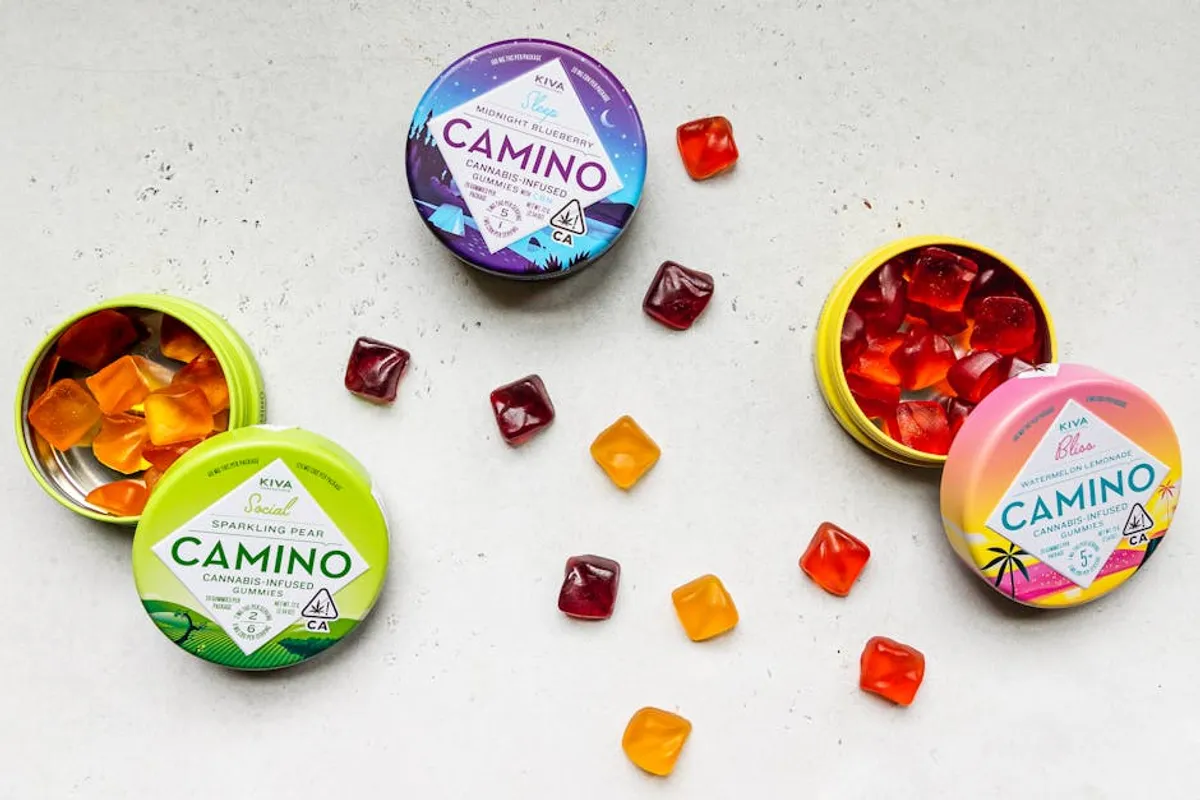
THCA (tetrahydrocannabinolic acid) gummies represent a specific segment within the cannabinoid market, offering a distinct profile from their THC counterparts. For consumers considering these products, understanding the fundamental differences, potential effects, and necessary precautions is paramount. This guide provides a detailed examination of THCA gummies, focusing on their reported benefits, practical applications, inherent risks, and essential safety considerations, enabling informed choices for those exploring their use.
Understanding THCA: The Precursor Cannabinoid
THCA is a non-intoxicating cannabinoid acid found in raw and live cannabis plants. Unlike delta-9 THC, which is responsible for the psychoactive effects commonly associated with cannabis, THCA does not produce a "high" in its unheated state. This is due to its molecular structure, which prevents it from binding effectively to the cannabinoid receptors (CB1 and CB2) in the body's endocannabinoid system. The conversion of THCA to THC occurs through a process called decarboxylation, which typically happens when cannabis is exposed to heat (e.g., smoking, vaping, or cooking). In the context of gummies, manufacturers aim to preserve THCA in its acidic, non-decarboxylated form to deliver its unique properties without inducing intoxication.
Potential Therapeutic Applications
Research into THCA is still emerging, but preliminary studies and anecdotal reports suggest several potential therapeutic benefits, distinct from those of THC. These applications are primarily attributed to THCA's interaction with various physiological pathways beyond direct cannabinoid receptor binding.
Anti-Inflammatory Properties
THCA has shown promise as an anti-inflammatory agent. Studies indicate it may inhibit the production of prostaglandins, compounds in the body that contribute to inflammation and pain. This mechanism suggests potential utility in managing conditions characterized by chronic inflammation, such as arthritis or certain autoimmune disorders. Users report a reduction in systemic inflammation without the psychoactive effects often associated with other cannabis-derived products.
Neuroprotective Potential
Emerging research points to THCA's potential neuroprotective qualities. It may help protect brain cells from damage and degeneration, which could be relevant for neurodegenerative diseases. This effect is thought to be mediated by its ability to modulate certain cellular pathways and reduce oxidative stress, offering a non-intoxicating avenue for brain health support.
Anti-Emetic and Appetite Support
Similar to THC, THCA has demonstrated anti-emetic properties, suggesting it could help reduce nausea and vomiting. This makes it a potential option for individuals undergoing treatments that cause gastrointestinal distress. While less potent than THC in stimulating appetite, some users also report mild appetite-enhancing effects, which can be beneficial for those experiencing appetite loss due to illness.
Navigating Usage: Dosage and Onset
Using THCA gummies effectively requires an understanding of appropriate dosing and the expected timeline for effects. Since THCA is a raw cannabinoid, its interaction with the body can differ from processed cannabinoids.
- Starting Dose: Begin with a low dose, typically 5-10 mg of THCA per gummy, especially if new to cannabinoid products. This allows individuals to assess their sensitivity and response.
- Titration: Gradually increase the dose over several days or weeks until the desired effects are achieved, while monitoring for any adverse reactions.
- Onset Time: As edibles, THCA gummies are processed through the digestive system. Effects typically manifest within 60-120 minutes after ingestion, though this can vary based on metabolism, diet, and individual physiology.
- Duration: The effects of THCA gummies can last for 4-8 hours, making them suitable for sustained relief.
Potential Risks and Adverse Effects
While THCA is non-intoxicating, its use is not without potential risks, primarily stemming from its instability and the variability of product quality.
Decarboxylation and Psychoactive Potential
The primary risk associated with THCA gummies is the potential for decarboxylation. If THCA is exposed to sufficient heat during manufacturing, storage, or even within the body's metabolic processes, it can convert into psychoactive delta-9 THC. This conversion could lead to unexpected intoxicating effects, which may be undesirable for users seeking non-psychoactive benefits. The extent of this conversion can be unpredictable, making consistent dosing challenging.
Product Consistency and Labeling Issues
The cannabinoid market lacks universal regulation, leading to significant variations in product quality and labeling accuracy. Some THCA gummies may contain less THCA than advertised, or conversely, higher levels of residual THC due to incomplete conversion or poor quality control. This inconsistency poses a risk to consumers who rely on accurate labeling for safe and effective dosing.
Drug Interactions and Legal Complexities
Like other cannabinoids, THCA may interact with certain medications, particularly those metabolized by the cytochrome P450 enzyme system. This could alter the efficacy or increase the side effects of prescription drugs. Additionally, the legal status of THCA remains complex and varies by jurisdiction, often depending on its derivation (hemp vs. cannabis) and the presence of any residual delta-9 THC, which could inadvertently lead to legal complications for consumers.
Ensuring Safety: Key Considerations
To mitigate risks and ensure a safe experience with THCA gummies, several proactive steps are essential for consumers.
Verifying Product Authenticity
Always purchase THCA gummies from reputable brands that provide comprehensive third-party lab testing results, often referred to as Certificates of Analysis (COAs). These reports should confirm the THCA content, verify the absence of significant THC, and test for contaminants like pesticides, heavy metals, and residual solvents. Transparency in sourcing and manufacturing processes is a strong indicator of a trustworthy product.
Understanding Legal Landscape
Before purchasing or consuming THCA gummies, research and understand the specific laws and regulations regarding cannabinoids in your local jurisdiction. Laws can vary significantly, impacting legality, possession limits, and potential impairment definitions. Ignorance of local laws does not exempt individuals from legal repercussions.
Consulting Healthcare Professionals
Individuals with pre-existing medical conditions, those taking prescription medications, or pregnant/nursing individuals should consult a healthcare professional before incorporating THCA gummies into their routine. A medical expert can provide personalized advice, identify potential drug interactions, and help determine if THCA is a suitable option based on individual health profiles.
Pro Tip: Store THCA gummies in a cool, dark place, away from direct sunlight and heat. This helps preserve the THCA in its acidic form and minimizes the risk of premature decarboxylation, ensuring the product maintains its intended non-intoxicating properties.
Selecting Quality THCA Gummies
The market for cannabinoid products is expansive, making informed selection critical. Focus on these factors when choosing THCA gummies.
Importance of Third-Party Lab Testing
Reliable brands submit every batch of their products for independent laboratory analysis. These COAs should be easily accessible, either via a QR code on the packaging or directly on the brand's website. The reports should detail cannabinoid potency (specifically THCA and delta-9 THC levels), ensuring the product matches its label claims and contains minimal to no intoxicating THC. Purity tests for contaminants are equally important for consumer safety.
Ingredient Transparency and Formulation
Examine the full ingredient list. High-quality THCA gummies typically use natural flavorings, colors, and sweeteners. Avoid products with excessive artificial additives. Understand the source of the THCA – ideally, it should come from organically grown hemp or cannabis, processed using safe extraction methods that preserve the cannabinoid's integrity. Clear dosage per gummy should be explicitly stated, enabling precise consumption.
Informed Decisions for Use
Navigating the world of THCA gummies requires a proactive and informed approach. Prioritize products from transparent manufacturers who provide verifiable third-party lab results. Always start with a low dose and gradually adjust based on your individual response, being mindful of the delayed onset associated with edibles. Understand that while THCA is non-intoxicating in its raw form, improper storage or metabolic processes can lead to some conversion to THC. Consult with a healthcare professional, especially if you have underlying health conditions or are on medication, to ensure THCA gummies are a safe addition to your wellness regimen. By adhering to these guidelines, consumers can better manage expectations and minimize potential risks associated with THCA gummy consumption.
Frequently Asked Questions
Are THCA gummies psychoactive?
In their raw, unheated form, THCA gummies are not psychoactive and will not produce a "high." However, exposure to heat or certain metabolic processes can convert THCA into psychoactive THC, potentially leading to intoxicating effects.
How long do the effects of THCA gummies last?
The effects typically begin within 60-120 minutes after ingestion and can last for 4-8 hours, depending on individual metabolism, dosage, and other physiological factors.
Are THCA gummies legal?
The legality of THCA gummies varies significantly by state and country. It often depends on whether they are derived from hemp (with less than 0.3% delta-9 THC) or cannabis, and specific local regulations regarding cannabinoid products. Always check local laws before purchasing or consuming.
Can THCA gummies cause a failed drug test?
While pure THCA itself is not what drug tests typically screen for, the presence of even trace amounts of THC due to decarboxylation or cross-contamination in THCA products can lead to a positive drug test for THC metabolites. Exercise caution if drug testing is a concern.



