
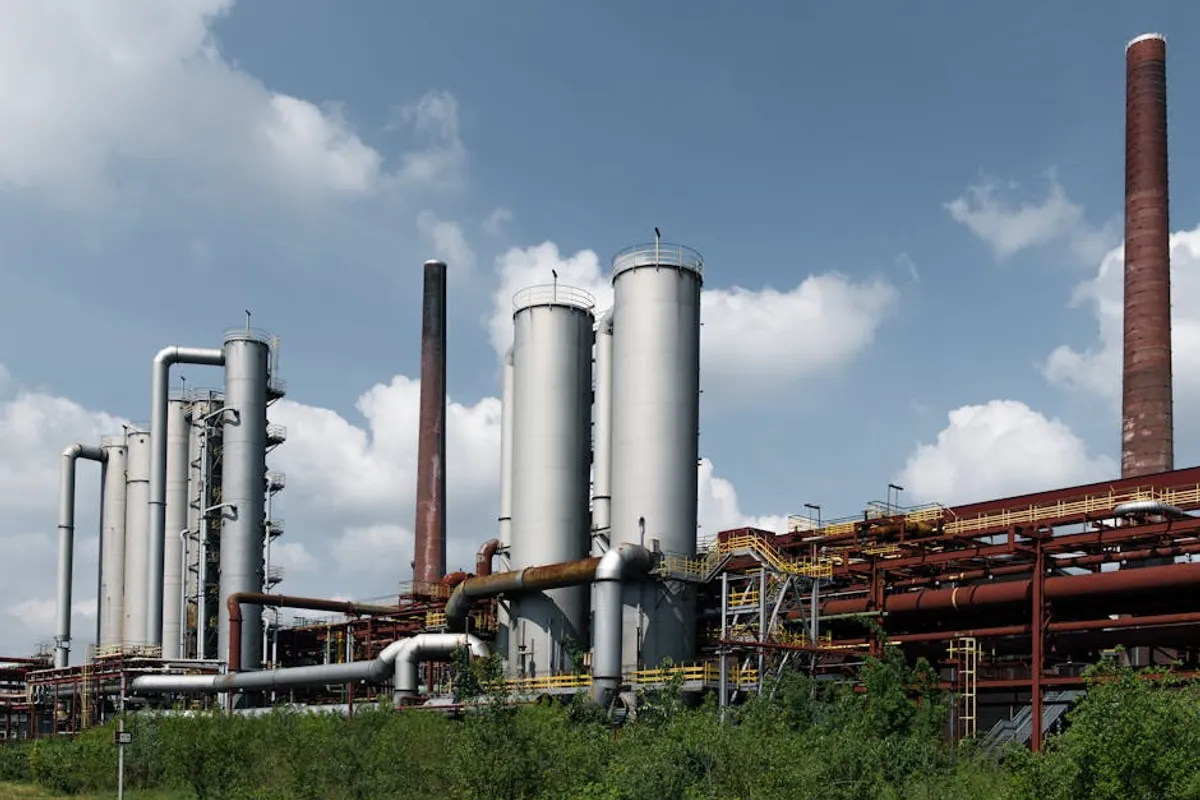
For facility managers, product developers, and safety officers, recognizing the distinct odor of ammonia is not merely an academic exercise; it's a critical component of operational safety, product integrity, and regulatory compliance. The pungent, acrid scent signals potential issues ranging from hazardous leaks to compromised goods, directly impacting employee well-being and brand reputation. Understanding this specific olfactory cue allows for timely intervention, mitigating risks, and ensuring a safer, more compliant commercial environment.
Identifying the Ammonia Odor Profile
Ammonia (NH3) possesses a highly characteristic and potent smell that is difficult to ignore. It is often described with the following sensory attributes:
- Sharp and Pungent: The most common descriptor, indicating an intense, piercing quality that can feel irritating to the nasal passages.
- Acrid: Suggesting a harsh, biting, or bitter sensation, often associated with chemical fumes.
- Suffocating: In higher concentrations, the smell can feel overwhelming, making it difficult to breathe comfortably.
- Irritating: Beyond the nose, it can cause a burning sensation in the eyes and throat, even at levels below what might be considered immediately dangerous.
- Common Associations: Many people liken the smell to cat urine, strong household cleaning products (like glass cleaners or floor strippers), or stale sweat, particularly in poorly ventilated areas or after intense physical exertion.
The human nose is quite sensitive to ammonia, capable of detecting it at very low concentrations, often below 5 parts per million (ppm). However, prolonged exposure can lead to olfactory fatigue, where the ability to detect the smell diminishes, making it a less reliable indicator of sustained presence at higher, more dangerous concentrations.
The Nuances of Ammonia's Presence
The intensity of the ammonia smell directly correlates with its concentration in the air. A faint, slightly pungent odor might indicate a minor issue, such as residual cleaning product or a small, contained leak. A strong, overwhelming, and irritating smell, however, signals a significant release that requires immediate attention and safety protocols.
Why Ammonia Detection Matters for Commercial Operations
The ability to identify ammonia by smell carries substantial implications across various commercial and industrial sectors. Its presence can indicate immediate hazards or underlying operational deficiencies.
Ensuring Workplace Safety and Health
Ammonia is a widely used industrial chemical, particularly in refrigeration systems, fertilizer production, and various cleaning agents. Leaks or accidental releases pose significant health risks to employees and visitors. Early detection through smell allows for:
- Prompt Evacuation: A strong ammonia odor is often the first warning sign, triggering immediate evacuation procedures before concentrations reach hazardous levels.
- Ventilation Activation: Identifying the smell can prompt the activation of emergency ventilation systems to dilute airborne concentrations.
- Personal Protective Equipment (PPE) Deployment: Workers trained to recognize the odor can quickly don appropriate respiratory protection and other PPE if they must approach the source.
Failure to detect and respond to ammonia can lead to respiratory distress, eye damage, skin irritation, and in severe cases, chemical burns or even fatality. Compliance with OSHA and other regulatory bodies often hinges on effective hazard identification and response plans.
Maintaining Product Quality and Integrity
In industries dealing with food processing, storage, or manufacturing, ammonia odor can signify product spoilage or contamination:
- Food Spoilage: Certain proteins, particularly in fish and poultry, can break down to produce ammonia as a byproduct of bacterial action. An ammonia smell in these products indicates spoilage and renders them unfit for consumption.
- Chemical Contamination: In manufacturing or packaging, an ammonia smell could signal contamination from cleaning agents, refrigerants, or other chemicals, compromising the integrity and safety of the final product.
Detecting ammonia in these contexts is crucial for preventing contaminated products from reaching consumers, thereby protecting brand reputation and avoiding costly recalls or legal liabilities.
Optimizing Facility Management and Environmental Control
For facility managers, ammonia odor can be a key indicator of maintenance issues or environmental concerns:
- HVAC and Plumbing Issues: An ammonia-like smell can sometimes emanate from plumbing traps that have dried out, allowing sewer gases to enter. It can also indicate issues with HVAC systems, especially if they are located near industrial processes or waste areas.
- Waste Management: Poorly managed waste, particularly animal waste or certain organic materials, can produce ammonia as it decomposes. This points to inadequate waste disposal practices or ventilation.
- Air Quality Monitoring: Consistent ammonia odor, even at low levels, indicates a persistent source that needs to be identified and remediated to maintain acceptable indoor air quality standards.
Addressing these issues promptly improves the working environment, reduces potential health complaints, and ensures compliance with environmental regulations.
Pro Tip: Never rely solely on your sense of smell to determine the safety of an environment potentially contaminated with ammonia. While a powerful initial indicator, olfactory fatigue can mask dangerous concentrations. Always use calibrated gas detectors and follow established safety protocols when investigating suspected ammonia leaks or spills.
Strategic Response to Ammonia Odor
When an ammonia smell is detected within a commercial or industrial setting, a structured response is essential to minimize risk and manage the situation effectively:
- Immediate Ventilation: Open windows and doors, activate exhaust fans, or engage emergency ventilation systems to increase air exchange and dilute the concentration.
- Source Identification (if safe): If the odor is faint and localized, attempt to safely identify the source (e.g., a recently used cleaning product, a small spill). Do not approach strong odors without appropriate PPE.
- Evacuation: If the smell is strong, persistent, or causes irritation, immediately evacuate the affected area and ensure all personnel are accounted for.
- Contact Emergency Services/Professionals: For significant leaks, unknown sources, or if health symptoms appear, contact emergency responders (e.g., fire department, hazmat team) or specialized industrial hygiene services.
- Review Safety Data Sheets (SDS): Consult the SDS for any ammonia-containing products used on-site to understand specific hazards and recommended emergency procedures.
- Implement Corrective Actions: Once the source is identified and the area is safe, implement permanent solutions to prevent recurrence, such as repairing leaks, improving ventilation, or revising chemical handling procedures.
Ensuring Operational Vigilance
Understanding the distinct smell of ammonia is more than just recognizing a chemical; it's about embedding a critical layer of vigilance into commercial operations. From safeguarding employee health to preserving product integrity and ensuring regulatory compliance, the ability to identify this pungent odor serves as an invaluable early warning system. Proactive training, clear emergency protocols, and the integration of both sensory awareness and technological monitoring tools are paramount for any business handling or potentially encountering ammonia. This integrated approach ensures that a simple smell can trigger a cascade of actions designed to protect people, products, and profits.
Frequently Asked Questions
Is ammonia smell always dangerous?
Not necessarily. While a strong ammonia smell indicates a potentially hazardous concentration requiring immediate attention, faint odors can result from common cleaning products or minor, non-hazardous sources. However, any persistent or irritating ammonia smell should be investigated.
What common products contain ammonia?
Many household and industrial cleaning products, particularly glass cleaners, floor waxes, and some all-purpose cleaners, contain ammonia. It is also used in some fertilizers, refrigeration systems, and as a component in certain chemical manufacturing processes.
Can ammonia smell be mistaken for other odors?
Yes, the sharp, pungent nature of ammonia can sometimes be confused with other strong chemical odors or even certain biological odors like decaying organic matter or very strong urine. However, ammonia's specific acrid and irritating qualities are generally distinct.
How quickly does ammonia dissipate?
Ammonia is a gas that is lighter than air, so it tends to rise and dissipate relatively quickly in well-ventilated areas. However, in enclosed or poorly ventilated spaces, it can accumulate to dangerous concentrations and persist for much longer periods.