
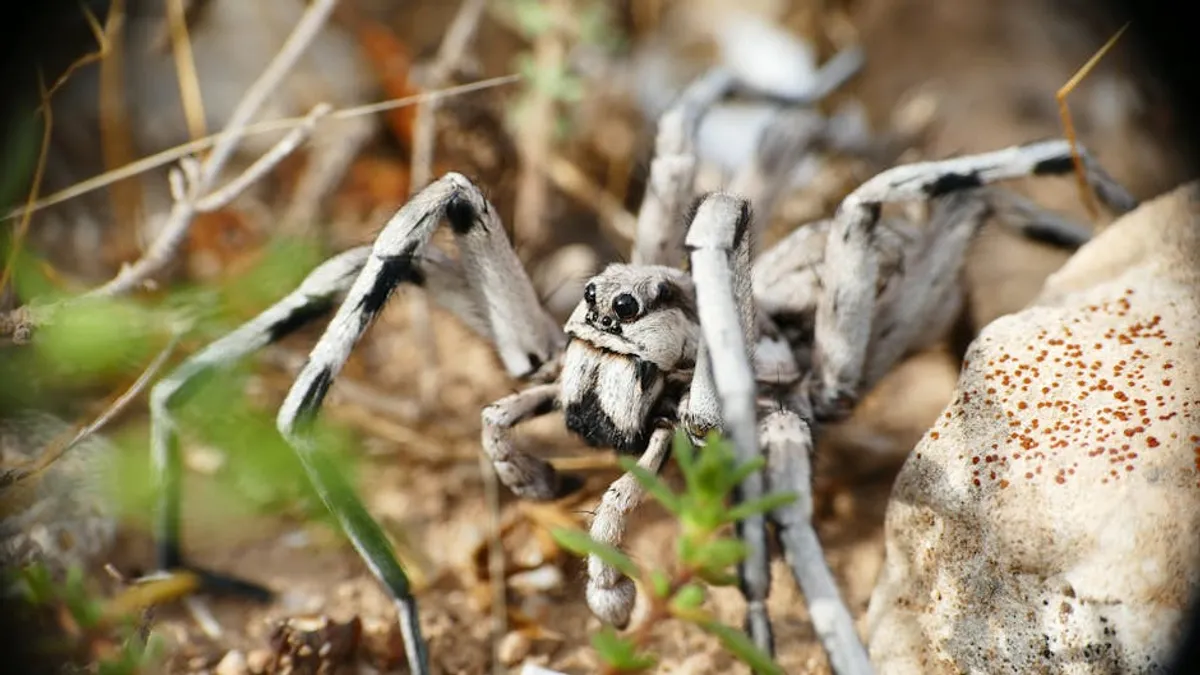
A wolf spider bite typically results in minor symptoms that can be effectively managed at home. Understanding the characteristics of a wolf spider bite and implementing appropriate first aid measures are key to a swift and uncomplicated recovery. While these bites are generally not dangerous, proper care prevents secondary issues like infection and helps identify the rare instances requiring professional medical attention. This guide details the practical steps for home treatment, symptom monitoring, and indicators for seeking expert medical advice, ensuring a clear path for managing such an occurrence.
Identifying a Wolf Spider Bite
Accurate identification is the first step in treating any bite. Wolf spiders (Lycosidae family) are common, ground-dwelling arachnids known for their speed and hunting prowess. Their bites are defensive, occurring when the spider feels threatened, often when accidentally pressed against skin. The bite itself usually presents as a single, painful puncture wound, sometimes with two distinct fang marks, though these are often difficult to discern without magnification.
Common Symptoms and Appearance
Immediately after a wolf spider bite, individuals typically experience localized pain, which might be sharp or stinging, comparable to a bee sting. This pain usually subsides within an hour. The site will often develop redness and mild swelling, localized to the immediate area around the bite. A small, raised bump or papule may form, similar to a mosquito bite, but usually without the intense, prolonged itching associated with insect bites. The affected skin might feel warm to the touch. Unlike some other spider bites, wolf spider bites rarely lead to necrotic lesions or significant tissue damage. The absence of a spreading, ulcerated wound is a strong indicator that the bite is not from a more venomous species.
Immediate First Aid Protocols
Prompt action after a wolf spider bite can alleviate discomfort and minimize potential complications. These steps focus on cleanliness, symptom reduction, and preventing secondary issues.
Cleaning and Cooling the Bite Site
- Wash the area: Immediately cleanse the bite site with mild soap and water. This removes any surface venom, bacteria, or debris, significantly reducing the risk of infection.
- Apply a cold compress: Place a clean cloth soaked in cold water or an ice pack (wrapped in a thin towel) directly onto the bite. Apply for 10-15 minutes at a time, several times an hour. This constricts blood vessels, reducing swelling and numbing the area to decrease pain.
- Elevate the affected limb: If the bite is on an arm or leg, raising the limb above heart level helps to reduce fluid accumulation and swelling due to gravity.
Pro Tip: Document the bite. Take a clear photograph of the bite mark and note the time of the bite and the onset of symptoms. This visual record and timeline are invaluable if symptoms worsen and medical consultation becomes necessary, providing healthcare professionals with concrete data for assessment.
Managing Discomfort and Preventing Infection
After initial first aid, ongoing management focuses on symptom relief and vigilant monitoring for any signs of worsening condition or infection.
Over-the-Counter Relief
For pain and swelling, standard over-the-counter medications are typically sufficient:
- Pain relievers: Non-steroidal anti-inflammatory drugs (NSAIDs) such as ibuprofen (e.g., Advil, Motrin) or naproxen (e.g., Aleve) can effectively manage pain and reduce inflammation. Acetaminophen (e.g., Tylenol) is also an option for pain relief. Follow dosage instructions carefully.
- Antihistamines: Oral antihistamines (e.g., diphenhydramine, loratadine) can help reduce any itching or minor allergic reactions, though severe allergic responses are rare with wolf spider bites.
- Topical creams: A mild hydrocortisone cream applied to the bite area can soothe itching and reduce redness. Calamine lotion can also provide relief from irritation.
Preventing Secondary Infection
The primary risk from a wolf spider bite, once its initial effects subside, is secondary bacterial infection, often introduced by scratching. Keeping the area clean and intact is paramount.
- Avoid scratching: While itching can occur, resist the urge to scratch, as this can break the skin barrier and introduce bacteria, leading to infection.
- Keep the wound clean and dry: Continue to wash the area daily with soap and water. Avoid applying heavy bandages unless necessary to protect the site from friction or dirt.
- Monitor for infection signs: Regularly inspect the bite for increasing redness, warmth, swelling, pus or discharge, or red streaks extending from the bite. A fever accompanying these symptoms is a strong indicator of infection.
When to Seek Professional Medical Attention
While most wolf spider bites resolve with home care, certain signs and circumstances warrant immediate medical evaluation. Recognizing these critical indicators is essential for ensuring patient safety and preventing potential complications.
Urgent Symptoms and Risk Factors
Consult a healthcare professional if any of the following occur:
- Signs of allergic reaction: Difficulty breathing, chest tightness, widespread rash or hives, dizziness, or swelling of the face, lips, or throat indicate a severe allergic response (anaphylaxis) requiring emergency medical care.
- Worsening local symptoms: If pain, redness, or swelling intensifies significantly after 24-48 hours, or if the bite area begins to form an open sore or blister.
- Signs of infection: Spreading redness, increasing warmth, pus or discharge, red streaks originating from the bite, or a fever.
- Bite location: Bites on the face, neck, or near joints may require professional assessment due to potential for greater swelling or functional impairment.
- Compromised immune system: Individuals who are very young (infants), elderly, or have weakened immune systems (e.g., due to diabetes, chemotherapy, or certain medical conditions) are more susceptible to complications and should be evaluated by a doctor.
Sustained Care and Prevention
After a wolf spider bite, maintaining vigilance is crucial until symptoms completely resolve. This includes consistent monitoring and implementing preventive measures to reduce future encounters.
Ongoing Monitoring and Hygiene
Continue to observe the bite site daily for any changes. Ensure the area remains clean, and reapply cold compresses or topical creams as needed for comfort. Symptoms should gradually improve over several days. If improvement is not observed, or if new symptoms develop, medical advice should be sought.
Reducing Future Encounters
Preventive strategies can minimize the likelihood of future wolf spider bites:
- Shake out clothing and shoes: Before dressing, especially items stored on the floor or in undisturbed areas, shake them out to dislodge any lurking spiders.
- Reduce clutter: Wolf spiders prefer dark, secluded spaces. Minimizing clutter in basements, garages, and storage areas reduces their habitats.
- Seal entry points: Seal cracks and openings in foundations, walls, and around pipes to prevent spiders from entering the home.
- Wear protective gear: When gardening, working in woodpiles, or cleaning out sheds, wear gloves, long-sleeved shirts, and long pants to create a physical barrier.
Final Considerations for Bite Management
Effective management of a wolf spider bite at home hinges on accurate identification, immediate first aid, consistent symptom management, and a clear understanding of when to escalate to professional medical care. Most bites are benign and resolve within a few days with simple measures. However, vigilance for worsening symptoms or signs of infection remains critical. Taking proactive steps to prevent future encounters further enhances safety.
Frequently Asked Questions
Q: How long does a wolf spider bite typically last?
A: Most wolf spider bites resolve within a few days to a week. Pain and swelling usually subside within 24-48 hours, with minor discomfort potentially lingering longer.
Q: Can a wolf spider bite cause serious illness?
A: Serious illness from a wolf spider bite is extremely rare. Their venom is not considered medically significant to humans. The main risks are secondary infection or, very rarely, a localized allergic reaction.
Q: Is there a specific antidote for wolf spider venom?
A: No, there is no specific antidote or antivenom required for wolf spider bites, as their venom is not potent enough to warrant such treatment. Home care focuses on symptom management.
Q: How can I tell if my bite is from a wolf spider versus another type of spider?
A: Definitive identification often requires seeing the spider itself. However, wolf spider bites typically present as a painful, red, swollen bump without the severe tissue damage or spreading lesions associated with more dangerous spiders like the brown recluse.



